
Assam
Guwahati
Gateway to the Northeast, heart of Assam
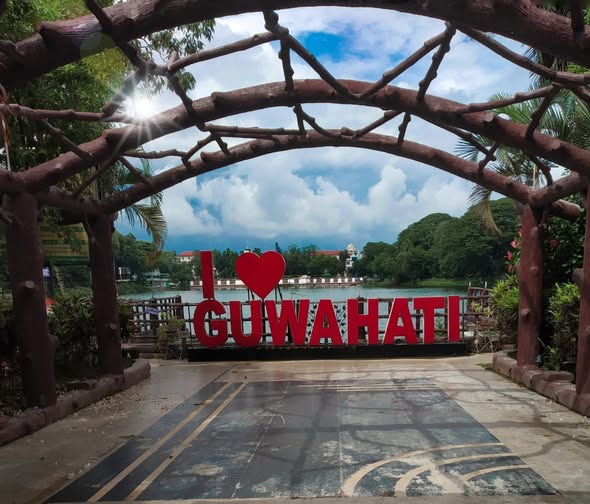
Guwahati, the vibrant gateway to Northeast India, is a dynamic city situated along the banks of the majestic Brahmaputra River in Assam. Blending rich cultural heritage with modern urban development, it is home to renowned spiritual landmarks like the sacred Kamakhya Temple, Umananda Temple and Navagraha Temple, attracting pilgrims and tourists year-round. The city also offers natural attractions such as the serene Deepor Beel and river cruises with breathtaking views. As a major center of education and innovation, it hosts prestigious institutions like IIT Guwahati, Gauhati University, Cotton University and Assam Engineering College. With its markets in Fancy Bazaar, a thriving food culture featuring traditional Assamese cuisine and a well-connected infrastructure through Lokpriya Gopinath Bordoloi International Airport and major railway lines, Guwahati seamlessly combines tradition, nature and progress making it a must visit destination and an ideal location for education, business and tourism.
Attractions of Assam
Kaziranga National Park
Home of the one-horned rhinoceros
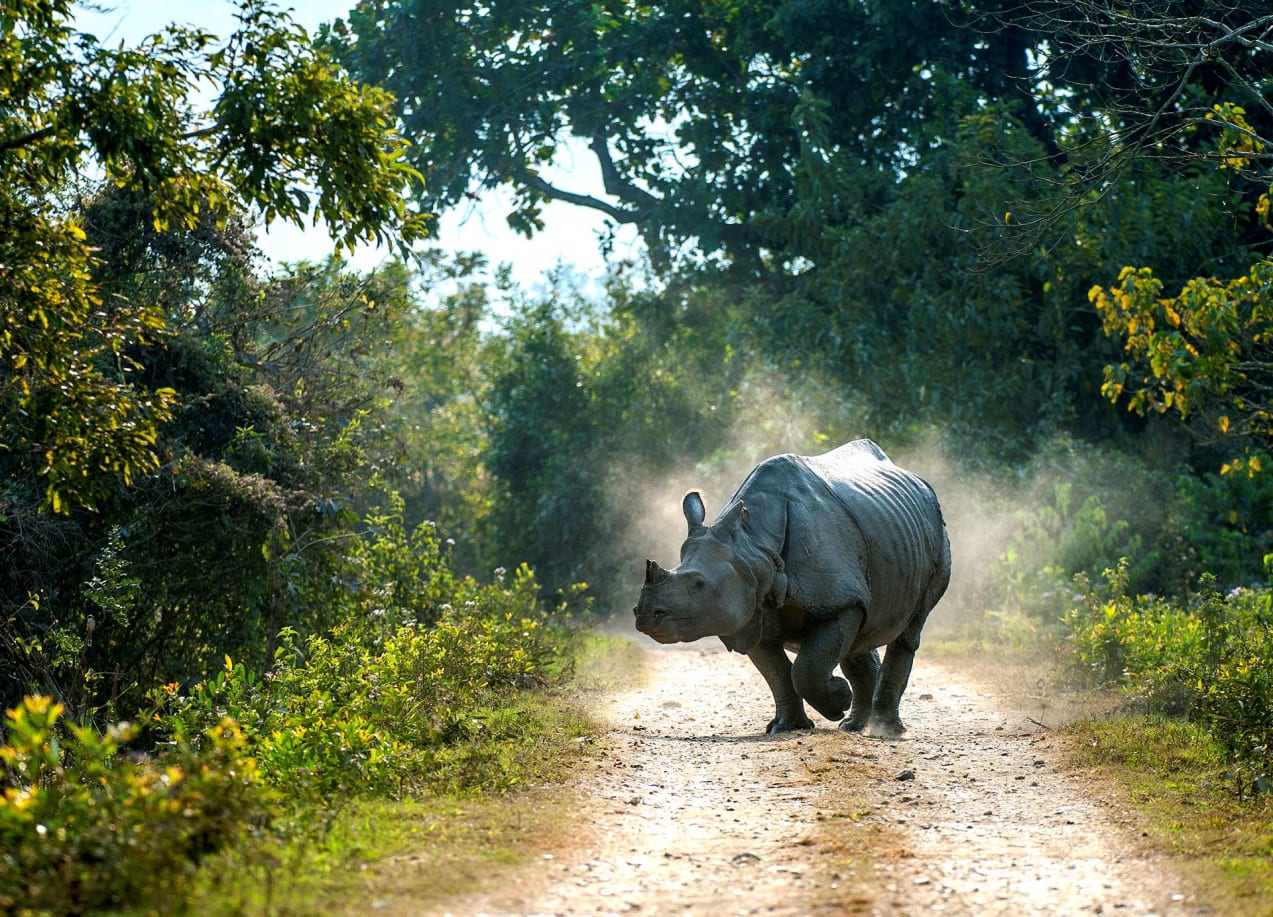
Kaziranga National Park in Assam, a UNESCO World Heritage Site, is one of India’s most celebrated wildlife sanctuaries. It is globally renowned for conserving the world’s largest population of the great one-horned rhinoceros. Spread across the floodplains of the Brahmaputra River, Kaziranga is also home to tigers, elephants, wild buffaloes and swamp deer, collectively known as India’s “Big Five.” With its lush grasslands, wetlands and over 500 bird species, the park showcases Assam’s vibrant biodiversity and natural beauty, offering unforgettable wildlife safaris and eco-tourism experiences.
Distance from Gauhati Univerisity
Add
Days required to cover
Add
Best time to visit
November to April
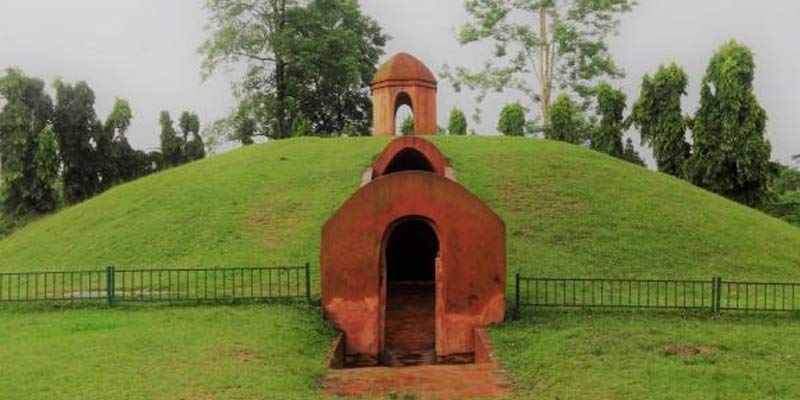
Charaideo
Pyramids of Assam, UNESCO World Heritage Site
Charaideo, a UNESCO World Heritage Site located about 28 km from Sivasagar, was the ancient capital of the Ahom dynasty. It is famous for around 42 royal tombs called Moidams, often referred to as the “Pyramids of Assam” due to their resemblance to Egyptian pyramids. These burial mounds contain vaulted chambers where Ahom kings, queens and nobles were laid to rest with their belongings. Established by Chaolung Sukapha in 1228, the Ahoms ruled Assam for 600 years. Charaideo remains a sacred symbol of Assamese pride and cultural heritage, attracting historians and visitors interested in exploring the region’s glorious past.
Lorem ipsum dolor sit amet, consectetur a
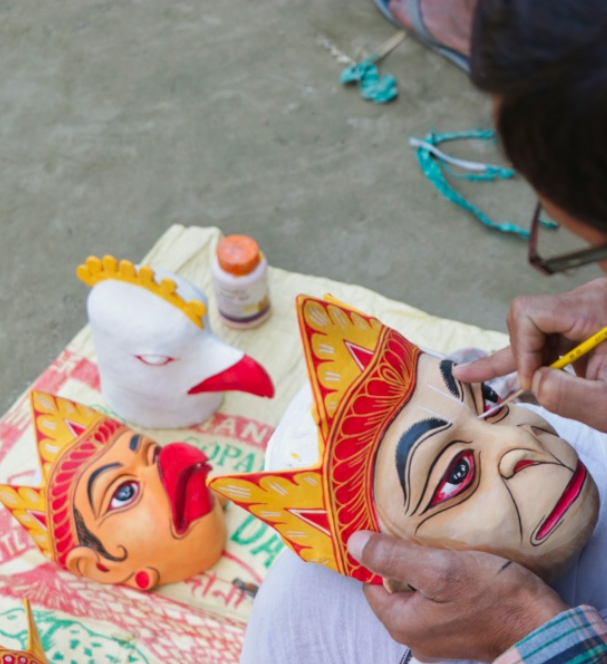
Majuli
The island preserving spiritual and artistic legacy
Majuli, an island in the Brahmaputra River in Assam, is known as the cultural soul of the state. It is home to the neo-Vaishnavite Satras founded by Srimanta Sankardeva, which preserve Assam’s rich spiritual and artistic heritage. Visitors can experience Sattriya dance, mask-making, pottery and tribal life while enjoying serene rural landscapes. A visit during the Raas Leela festival in November offers a particularly memorable cultural experience. Majuli’s deep-rooted traditions and peaceful charm make it a must-visit destination in Assam. The island also plays a key role in promoting sustainable living and environmental harmony.
Add context to your column. Help visitors understand the value they can get from your products and services.
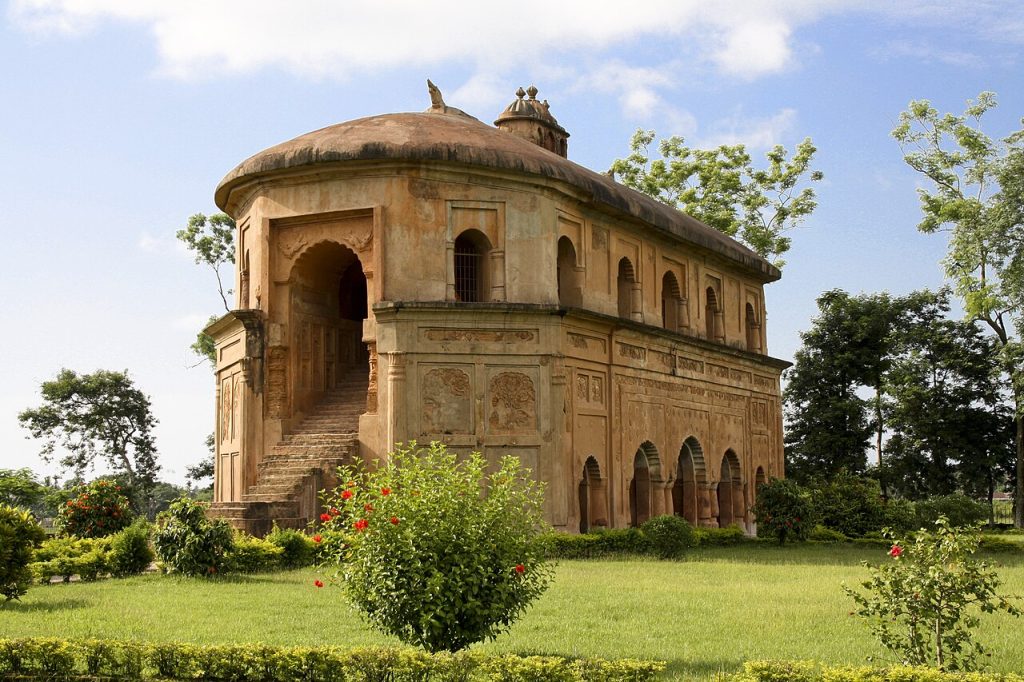
Rang Ghar
The majestic colosseum of Assam’s Ahom kings
Rang Ghar, built in 1744 by Swargadeo Pramatta Singha, is Asia’s first known amphitheater and a historic pavilion of the Ahom dynasty. Its octagonal base supports a two-story structure with a roof shaped like an inverted royal Ahom boat, adorned by two small Makara heads facing north and south. Located 3 km from Sivasagar town, Rang Ghar hosted royal sports like bullfights, cockfights and wrestling in the adjacent Rupohi Pothar field. Though weathered by time and earthquakes, it remains a majestic symbol of Assam’s heritage, often called the “Colosseum of the East.” It continues to attract historians and tourists alike.
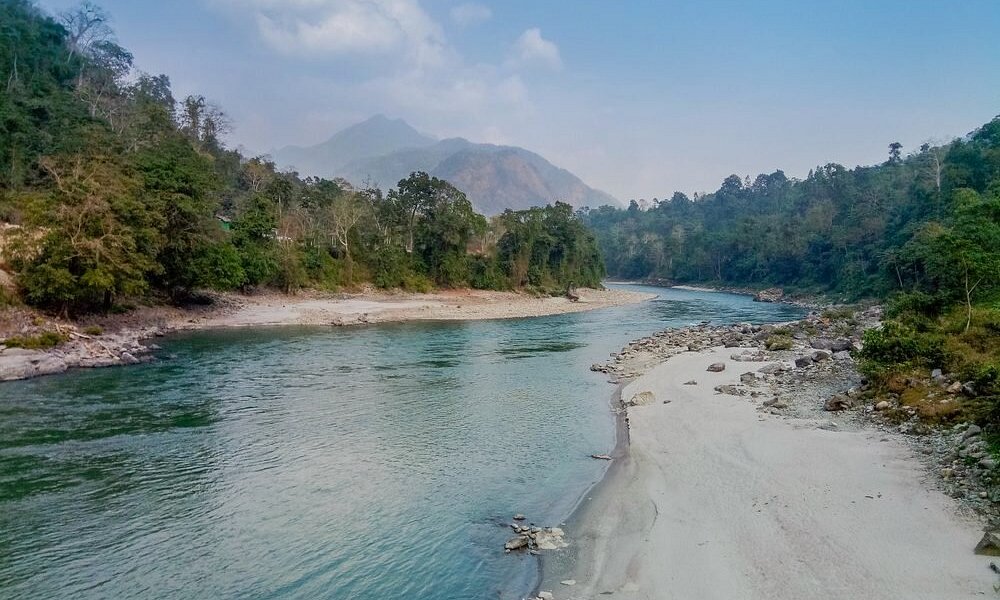
Manas National Park
UNESCO-listed, home to India’s unique wildlife
Manas National Park, located about 176 kilometers from Guwahati at the foothills of the Bhutan-Himalayas in Assam, is a rare blend of a biosphere reserve, tiger reserve, elephant reserve and natural heritage site. Home to over 20 endangered species including the Royal Bengal Tiger, Assam roofed turtle, hispid hare, golden langur and the rare pygmy hog, Manas offers unforgettable jeep and elephant safaris. Visitors can also explore jungle trails, enjoy rafting and experience the vibrant culture of nearby Bodo villages. The park is recognized as a UNESCO World Heritage Site for its exceptional biodiversity.
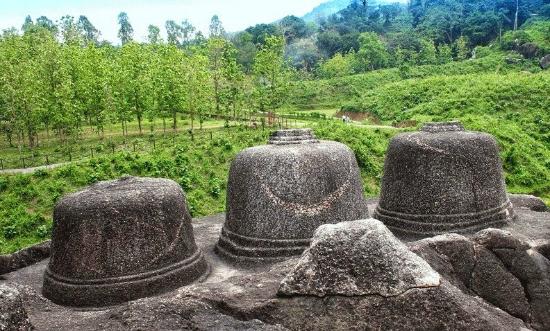
Sri Surya Pahar
A cultural and archaeological treasure of Assam
Sri Surya Pahar, located about 13 km from Goalpara town and 127 km from Guwahati, is a famous archaeological site spread over seven peaks and 1400 acres. Protected by the Archaeological Survey of India, it showcases rare rock-cut sculptures and terracotta art representing Hinduism, Buddhism and Jainism. The site offers panoramic views of the Brahmaputra and nearby rivers, with numerous statues, Shivalingas, stupas and ancient caves. Known as the “Hill of the Sun,” it hosts the annual Sri Sri Surya Mela, attracting thousands of devotees and visitors every January. It stands as a testament to Assam’s rich historical and cultural heritage.
Temples
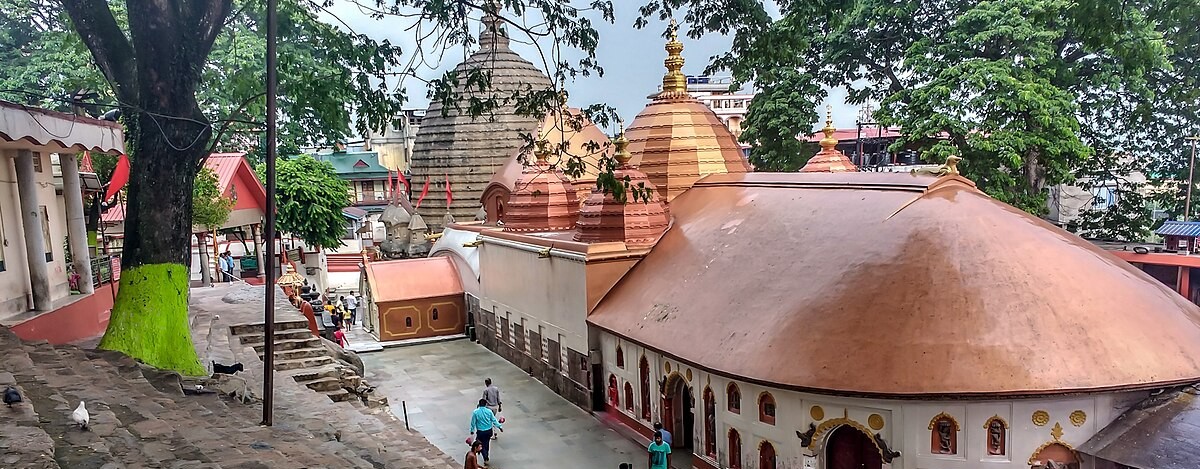
Kamakhya Temple
Ancient and sacred Shakti Peeth
Kamakhya Temple, located on Nilachal Hill in Guwahati, Assam, is a sacred Hindu shrine dedicated to Goddess Kamakhya. It is one of the 51 Shakti Peethas, sacred sites where parts of Goddess Sati’s body are believed to have fallen.The temple is renowned for its tantric rituals and the annual Ambubachi Mela, which celebrates the goddess’s menstruation, attracting thousands of devotees seeking blessings for fertility and spiritual growth every year. The main temple is surrounded by individual temples dedicated to the ten Mahavidyas: Kali, Tara, Sodashi, Bhuvaneshwari, Bhairavi, Chhinnamasta, Dhumavati, Bagalamukhi, Matangi and Kamalatmika.
Add context to your column. Help visitors understand the value they can get from your products and services.
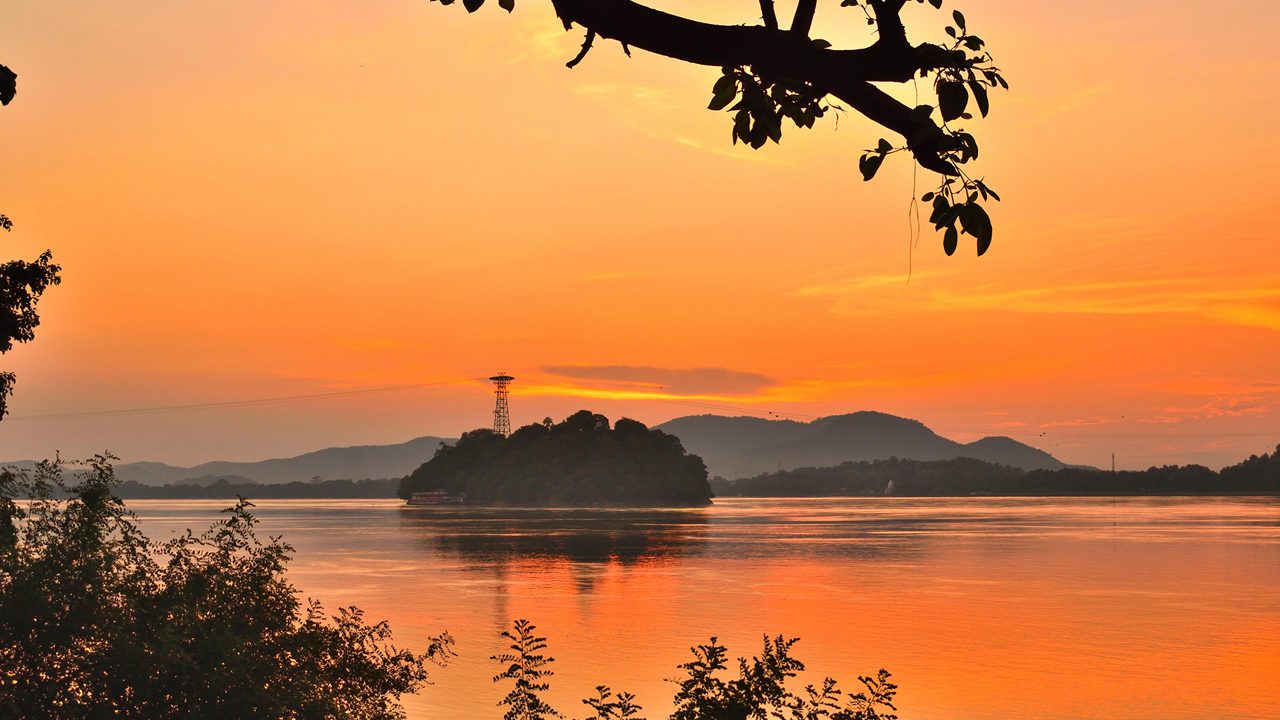
Umananda Temple
Divine island of devotion
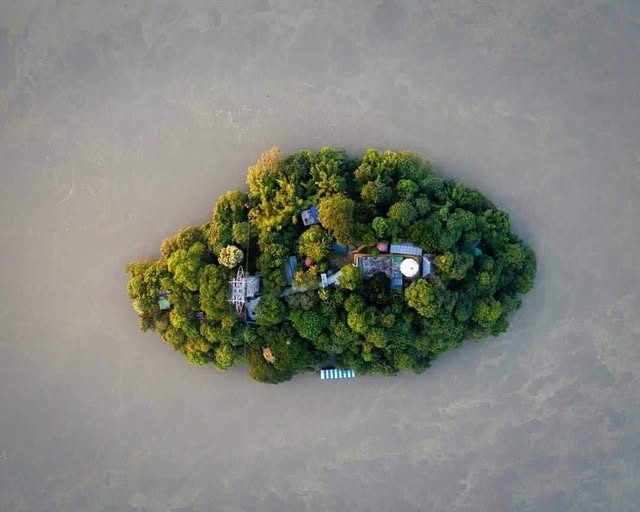
Umananda Temple, located on Umananda Island, popularly known as Peacock Island is one of the most sacred Shiva temples in Assam. Built in 1694 AD by the Ahom king Gadadhar Singh, the temple is adorned with intricate rock carvings and sculptures that reflect ancient Assamese craftsmanship. Surrounded by the mighty Brahmaputra River, it offers a serene and spiritual ambiance steeped in mythology and devotion. The island is accessible only by ferry from Guwahati. The temple becomes especially vibrant during Maha Shivratri, drawing devotees and visitors from far and wide. A perfect blend of natural beauty and divine tranquility, Umananda stands as a jewel in the heart of the Brahmaputra.
Lorem ipsum dolor sit amet, consectetur a
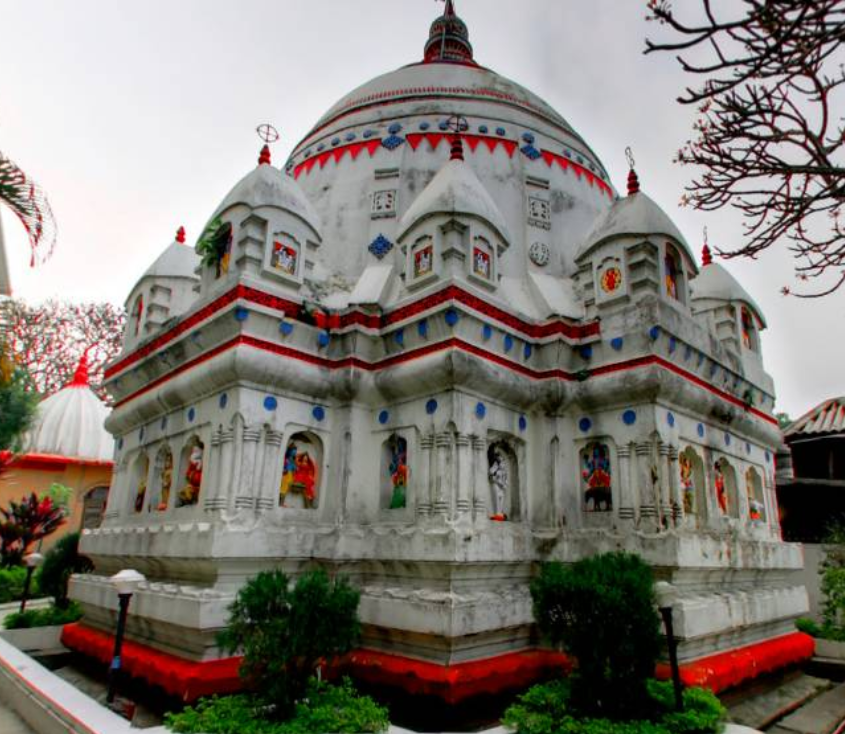
Sukreshwar Devalay
Ancient Shiva temple on riverbank
The Sukreshwar Devalay, meaning “temple of Lord Sukreshwar (Shiva),” is a prominent Shiva shrine in Assam, built in 1744 by the Ahom King Pramatta Singha. Later, in 1759, King Rajeswar Singha, a devout follower of the Shaiva tradition, made generous financial provisions for its upkeep. A long flight of steps descends from the temple compound to the banks of the Brahmaputra River, offering a mesmerizing view of the scenic Umananda Island. The site is known for its peaceful ambience, where visitors can watch the sunset over the river, boats gliding across the water and devotees performing rituals for their ancestors. The Sukreshwar Devalay beautifully combines spirituality, history and natural beauty.
Add context to your column. Help visitors understand the value they can get from your products and services.
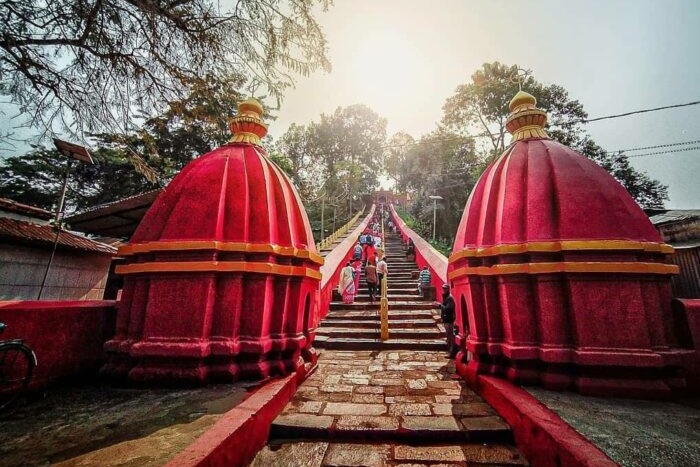
Madhav Mandir
Temple of Lord Vishnu
Madhav Mandir (meaning “Temple of Lord Madhav,” another name for Lord Vishnu) is situated on Manikut Hill in the town of Hajo, about 30 km west of Guwahati. The temple enshrines an image of Lord Vishnu, resembling the famous Lord Jagannath of Puri, Odisha. It is a revered pilgrimage site for Hindus, as well as for Buddhist Lamas and Bhutiyas, as it is believed that Lord Buddha attained Nirvana (Moksha) at this location. Its exterior is adorned with sculpted figures representing the 10 Avatars of Vishnu, with Buddha depicted as the ninth Avatar. Adjacent to the temple is Madhab Pukhuri, a large pond where devotees offer food to fish and turtles. Festivals such as Doul, Bihu and Janmashtami are celebrated here with great devotion.
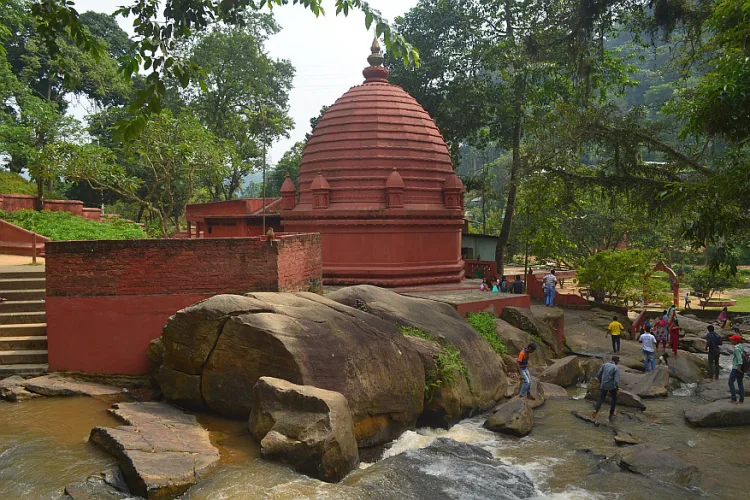
Basistha Temple
Spiritual retreat by the hills
The Basistha Temple, located in the south-eastern corner of Guwahati, is a historic Shiva mandir built by Ahom King Rajeswar Singha in 1764. The temple is situated within the Basistha Ashram, whose origins trace back to the Vedic age. It is believed to be the abode of the revered sage Basistha (Vasishtha), who meditated in the caves nearby. The temple lies on the outskirts of the Garbhanga Reserve Forest, home to a significant population of elephants. While devotees worship at the temple, the cave where Sage Basistha is said to have meditated is located about 5 km inside the forest. The temple is gracefully positioned on the banks of mountain streams originating from the hills of Meghalaya.
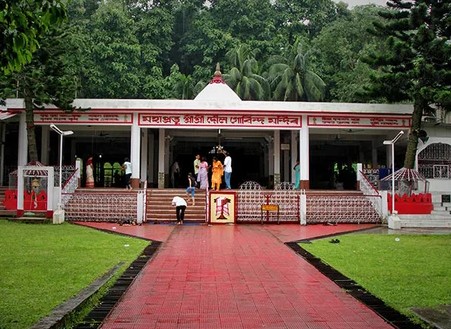
Doul Govinda Temple
Sacred abode of Lord Govinda
Doul Govinda Temple, located on the north bank of the Brahmaputra River, is a site of great historical and spiritual significance. The temple complex, along with nearby shrines, copper plates and rock inscriptions, reflects the rich heritage of North Guwahati. Nestled at the foothills of Chandrabharati Hill in Rajaduar, the temple’s natural surroundings enhance its sanctity and spiritual ambiance. Every day, hundreds of pilgrims visit the temple, with numbers increasing during the month of Magh, especially on the auspicious full moon day. The temple houses two idols: Lord Shyamaray and Lord Govinda, though most devotees primarily offer their prayers to Lord Govinda.
Attractions of Guwahati
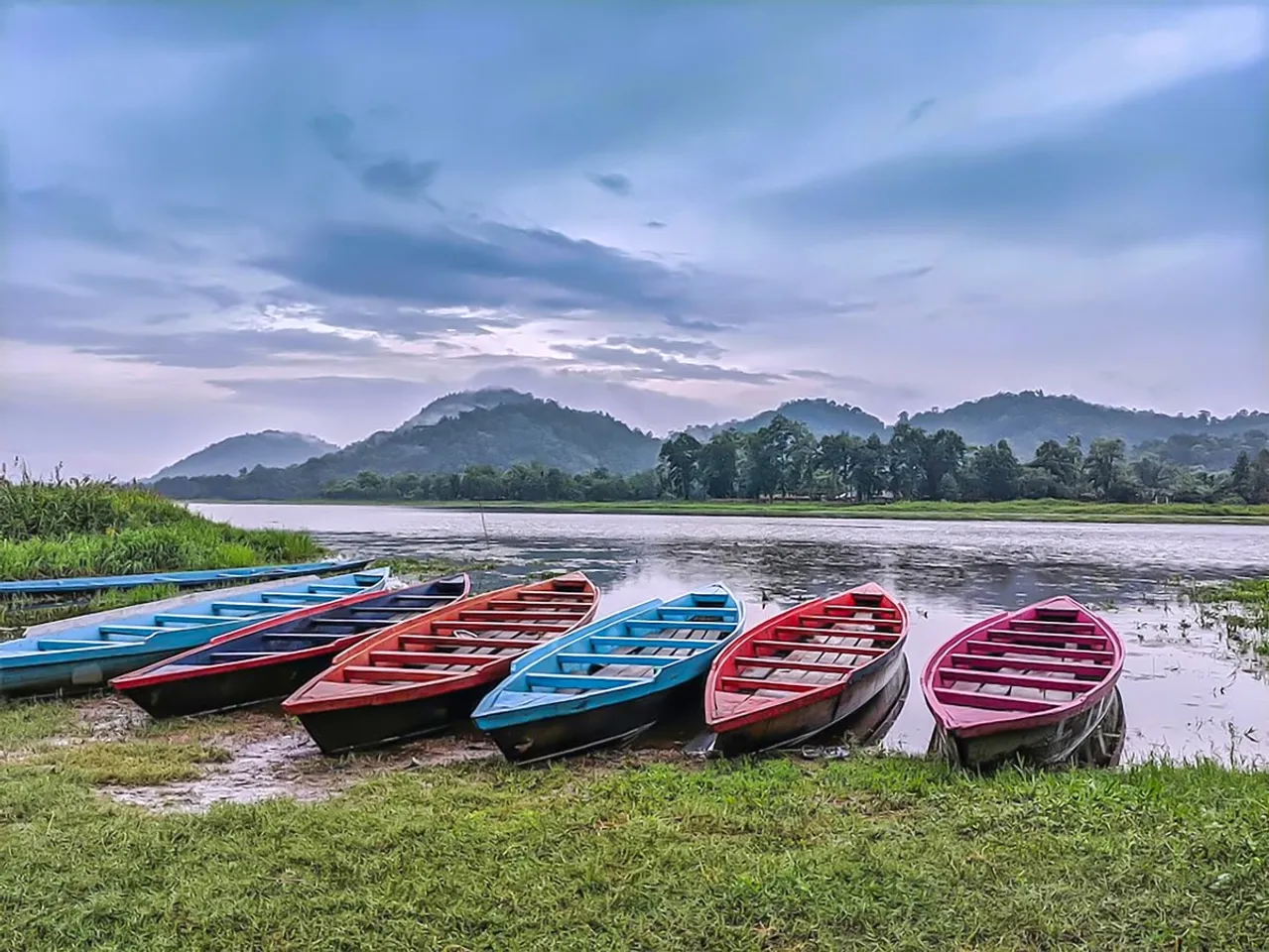
Chandubi Lake
A serene earthquake-born lake
Chandubi Lake, at the foot of the Garo Hills in Assam, was formed by a powerful earthquake in 1897 and is surrounded by lush forests, tea gardens and villages. Its name comes from Khasi words Chand (five) and Dubi (sinking) and local legend also links it to the merchant Chanda Sadasgar. The lake features a serene natural lagoon, ideal for fishing, boating and birdwatching. Every year, the Chandubi Festival celebrates Assamese culture with folk music, traditional dances, handicrafts and local cuisine. The festival also promotes eco-tourism and conservation, highlighting the lake’s natural and cultural significance.
Add context to your column. Help visitors understand the value they can get from your products and services.
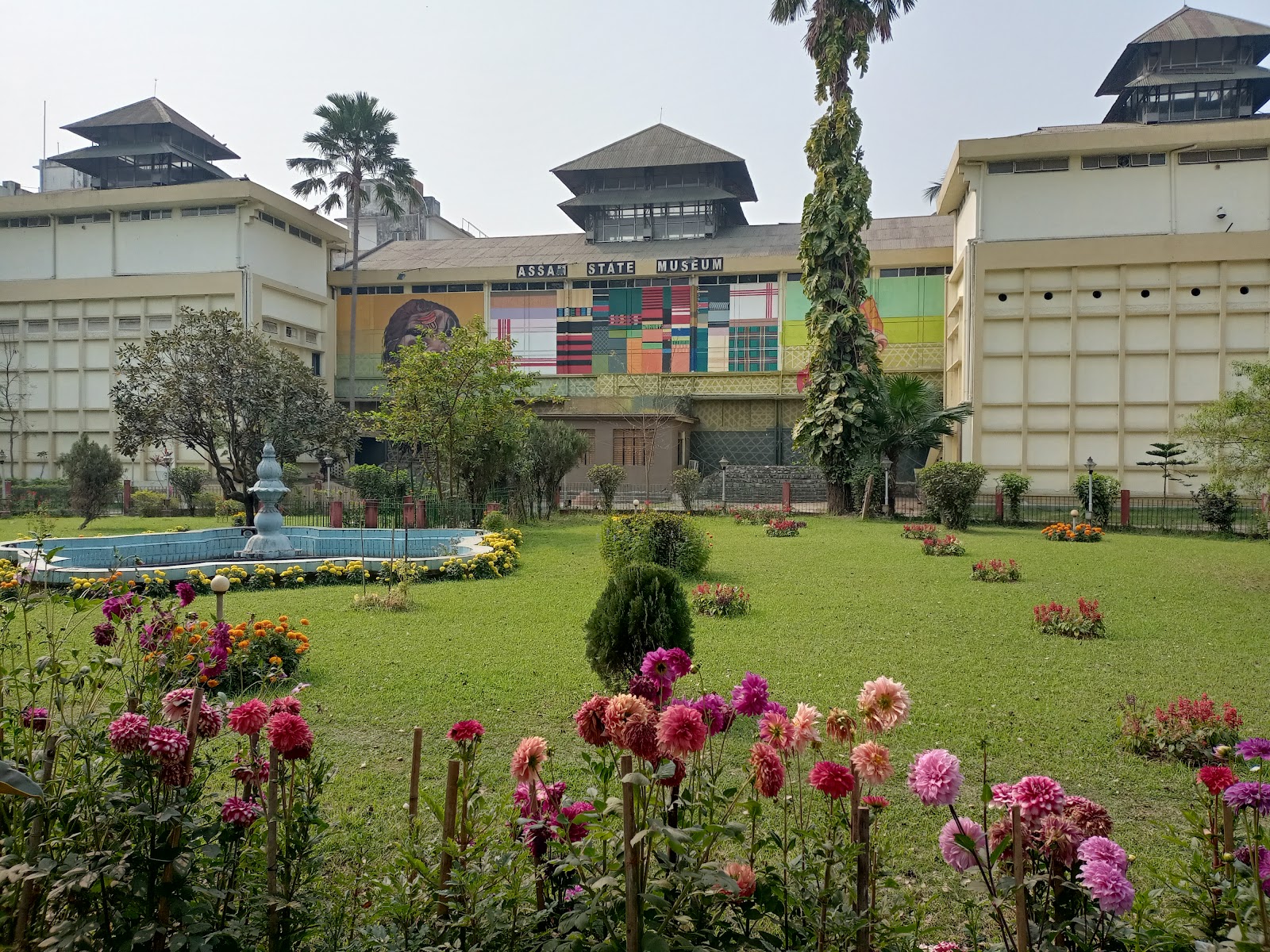
Assam State Museum
A treasure of Assam’s heritage
Assam State Museum, located near Dighali Pukhuri in the heart of Guwahati City, is one of the most prominent museums in Northeast India. It offers a fascinating insight into the region’s rich heritage and culture, covering both ancient and modern history. The museum houses a rare and diverse collection of exhibits across various sections, including Epigraphy, Sculptures, Miscellaneous, Natural History, Art and Crafts, Anthropology & Folk Art and Arms. It features a well-stocked library containing books, manuscripts and periodicals of significant socio-historical value. The museum serves as a vital center for preserving and showcasing the cultural legacy of Assam.
Lorem ipsum dolor sit amet, consectetur a
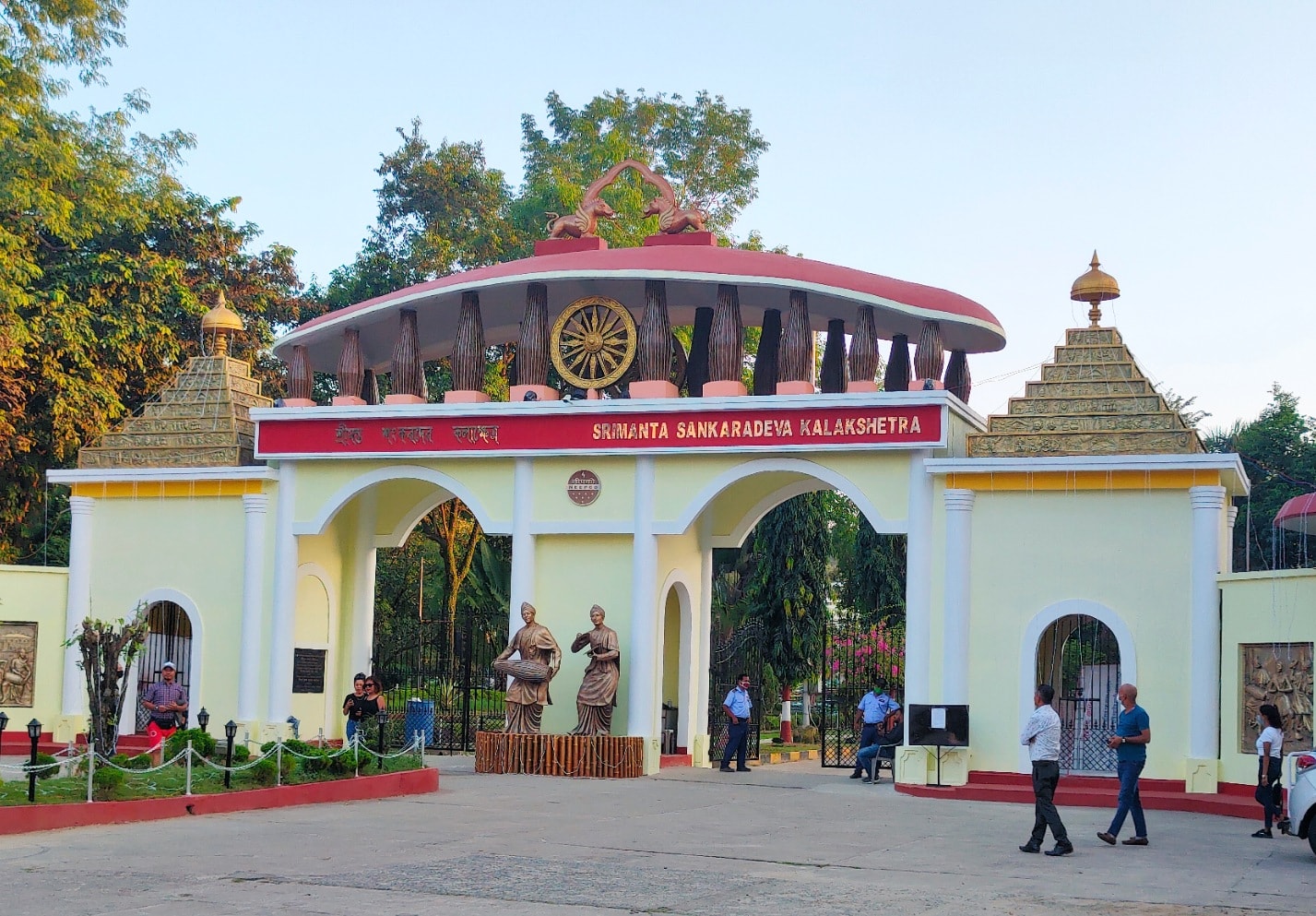
Srimanta Sankaradeva Kalakshetra
Gateway to Assam’s cultural soul
Srimanta Sankaradeva Kalakshetra, located in Panjabari, Guwahati, is a premier cultural complex dedicated to preserving and promoting the rich art, heritage and traditions of Assam and Northeast India. The sprawling 17.5-hectare campus features the Purbajyoti Museum with over 4,000 artifacts, the Lalit Kala wing showcasing contemporary and traditional art, a library with rare manuscripts and the Artists’ Village reflecting rural Assamese life. Visitors can explore a recreational park, outdoor theatre and heritage park, making it a perfect destination for families. The sound and light show vividly narrates Assam’s history and folklore under the starlit sky.
Add context to your column. Help visitors understand the value they can get from your products and services.
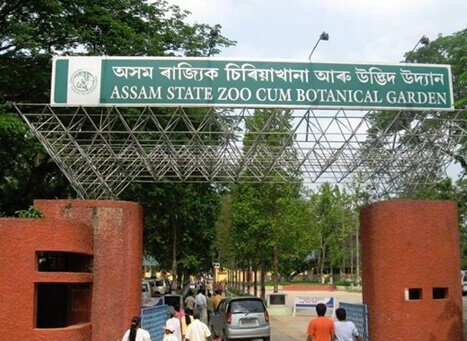
Assam State Zoo cum Botanical Garden
The green heart of Guwahati
Assam State Zoo cum Botanical Garden, the largest in Northeast India, is located in the heart of Guwahati City and spreads over 1.75 sq.km. The zoo comprises of a unique diversity of varied flora and fauna species and houses more than 112 species in all, earning it the nickname “Green Lung” of Guwahati. Visitors can explore the zoo on foot or via golf cart rides, while informative boards provide details about the animals and plants. The zoo also features a stunning orchid house with over 40 varieties, a children’s park and multiple food outlets, making it ideal for families. Its rich biodiversity and serene environment make it a perfect destination for nature lovers and families.
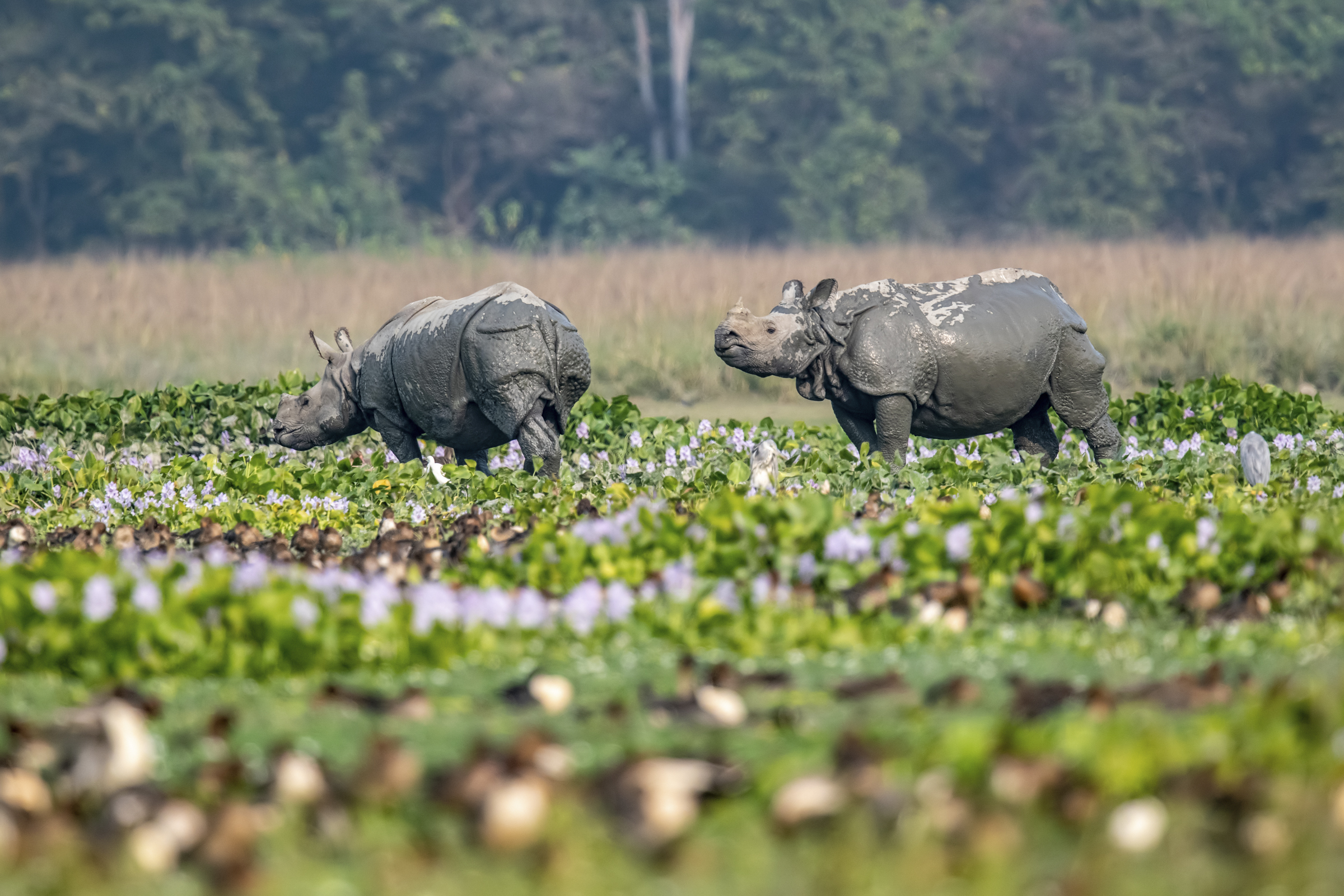
Pobitora Wildlife Sanctuary
A sanctuary of rare wonders
Situated just 56 km from Guwahati, Pobitora Wildlife Sanctuary is a lush haven renowned for having the country’s highest density of the Greater One-Horned Rhinoceros, surpassing even Kaziranga. The Sanctuary consists of the Rajamayong Reserve Forest and Pobitora Reserve Forest. It is home to nearly 375 species of birds, reptiles and mammals, offering nature lovers a vibrant wildlife experience. Jeep safaris, bird-watching and reptile spotting allow visitors to get close to rhinos, elephants, leopards and other fascinating creatures. Steeped in history and conservation efforts, Pobitora was officially designated a protected area in 1971 and continues to thrive through conservation.
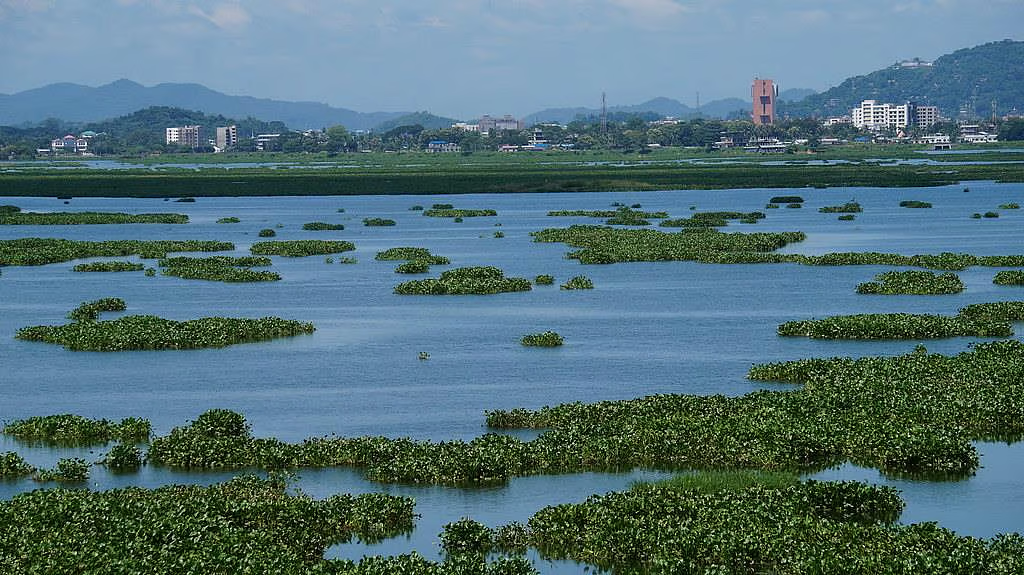
Deepor Beel
A serene Ramsar wetland
Deepor Beel is a permanent fresh water lake located about 10 km Southwest of Guwahati city. It also functions as the major storm water storage basin for the city. Apart from this it has got other biological and environmental importance too.significance. Deepor Beel is a crucial habitat for migratory birds and supports the livelihoods of 14 indigenous villages. Apart from being the only Ramsar site in Assam it is also included among Important Bird Area (IBA) sites by Birdlife International. Deepor Beel is not only a paradise for birdwatchers but also a serene retreat for nature lovers seeking tranquility amid scenic beauty.