
as
Gateway to the Northeast, heart of Assam
Guwahati, the vibrant gateway to Northeast India, is a dynamic city situated along the banks of the majestic Brahmaputra River in Assam. Blending rich cultural heritage with modern urban development, it is home to renowned spiritual landmarks like the sacred Kamakhya Temple, Umananda Temple and Navagraha Temple, attracting pilgrims and tourists year-round. The city also offers natural attractions such as the serene Deepor Beel and river cruises with breathtaking views. As a major center of education and innovation, it hosts prestigious institutions like IIT Guwahati, Gauhati University, Cotton University and Assam Engineering College. With its markets in Fancy Bazaar, a thriving food culture featuring traditional Assamese cuisine and a well-connected infrastructure through Lokpriya Gopinath Bordoloi International Airport and major railway lines, Guwahati seamlessly combines tradition, nature and progress making it a must visit destination and an ideal location for education, business and tourism.
Historical Heritage
Charaideo
UNESCO World Heritage Site
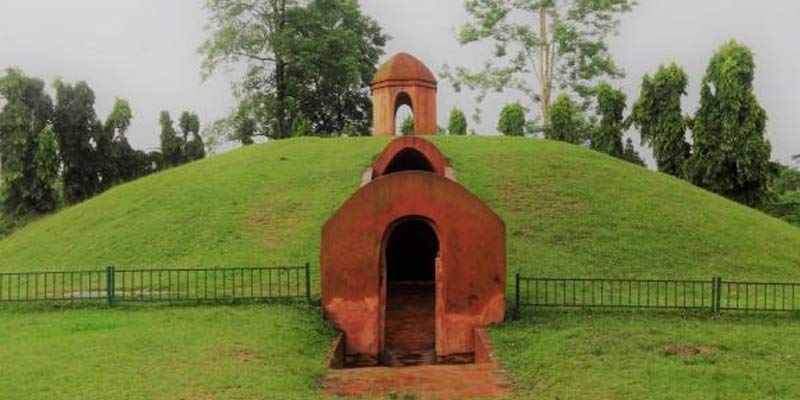
Charaideo, a UNESCO World Heritage Site located about 46 km from Sivasagar, was the ancient capital of the Ahom dynasty. It is famous for around 42 royal tombs called Moidams. These burial mounds contain vaulted chambers where Ahom kings, queens and nobles were laid to rest with their belongings. Established by Chaolung Sukapha in 1228, the Ahoms ruled Assam for 600 years. Charaideo remains a sacred symbol of Assamese pride and cultural heritage, attracting historians and visitors interested in exploring the region’s glorious past. It offers a serene glimpse into Assam’s royal legacy and architectural grandeur.
Travel distance from Gauhati Univerisity
390 km (8.5 hrs by road)
Location
Suggested trip duration
2 days
Best time to visit
November to March when the weather remains pleasant.
Visiting Hours
Open all days
8:00 am-17:00 pm
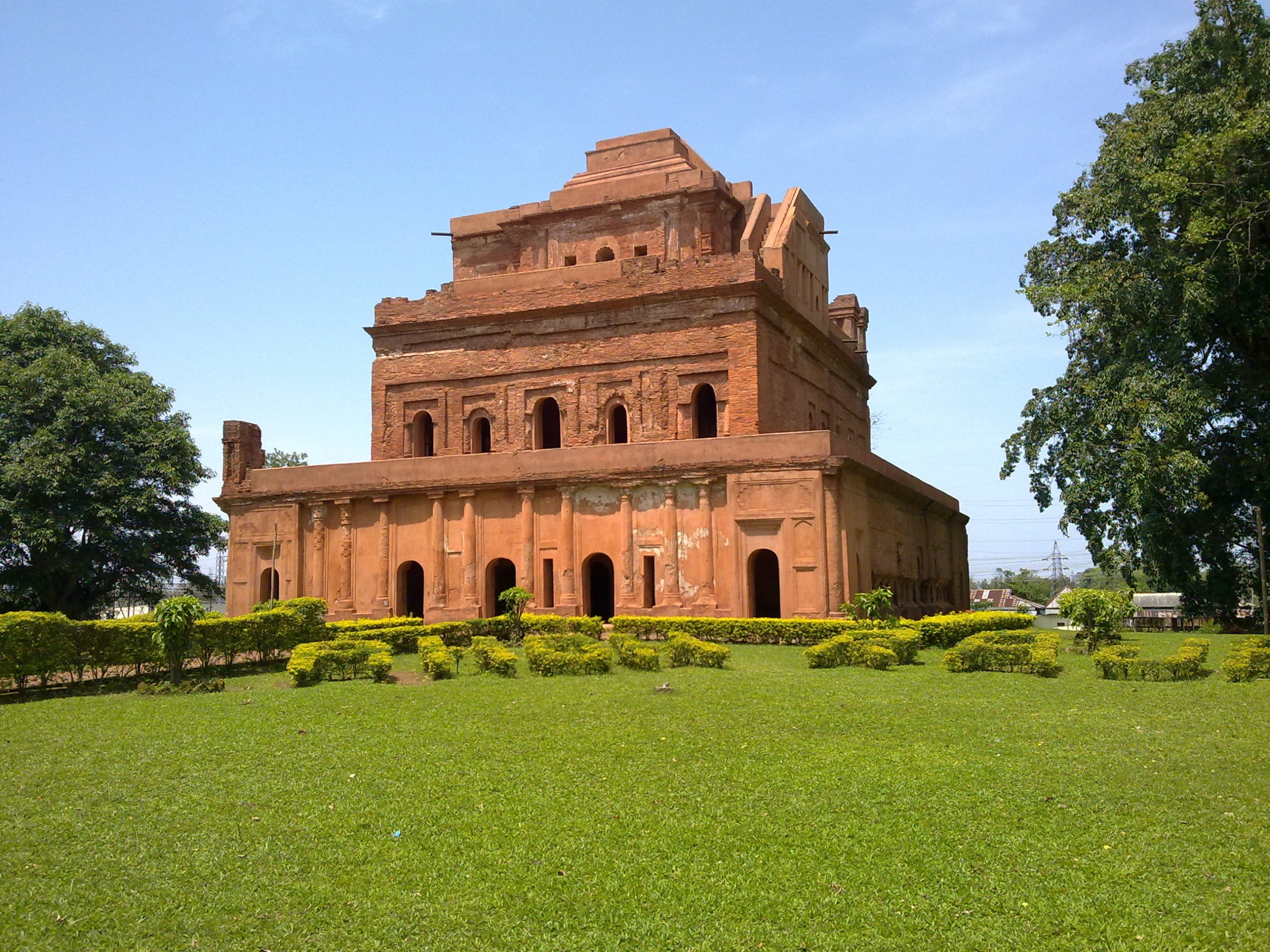
Kareng Ghar
Majestic Ahom royal palace
The Kareng Ghar, also known as the Garhgaon Palace, is one of the greatest examples of Ahom architecture, located at Garhgaon, about 14 km from Sivasagar. It served as the central administrative building of the kingdom. The original structure was made of wood up to the reign of Swargadeo Pramatta Singha in 1751 A.D. Later, Swargadeo Rajeswar Singha rebuilt it in 1752 A.D. using bricks and boulders, giving it a more permanent and majestic form. The seven-storied palace stands as a symbol of Ahom power and architectural brilliance. Its intricate design and grand scale reflect the engineering skill and cultural legacy of the Ahom dynasty.
Travel distance from Gauhati Univerisity
376 km (8 hrs by road)
Location
Suggested trip duration
2 days
Best time to visit
November to March when the weather remains pleasant.
Visiting Hours
Open all days
10:00 am-17:00 pm
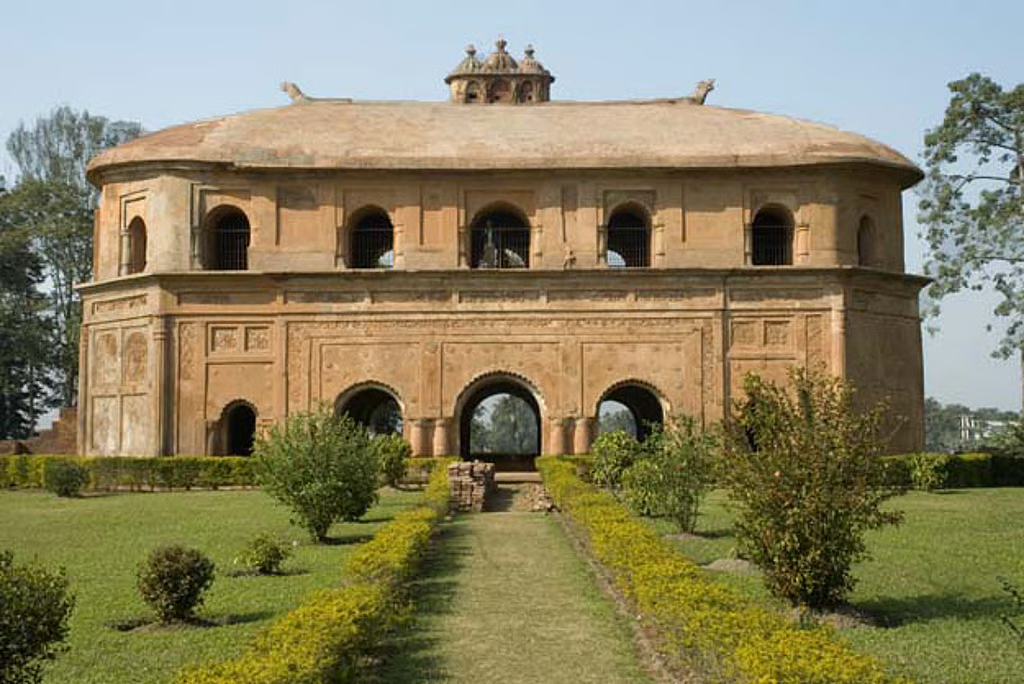
Rang Ghar
Glory of Ahom dynasty
Rang Ghar, built in 1744 by Swargadeo Pramatta Singha, is Asia’s first known amphitheater and a historic pavilion of the Ahom dynasty. Its octagonal base supports a two-story structure with a roof shaped like an inverted royal Ahom boat, adorned by two small Makara heads facing north and south. Located 3 km from Sivasagar town, Rang Ghar hosted royal sports like bullfights, cockfights and wrestling in the adjacent Rupohi Pothar field. Though weathered by time and earthquakes, it remains a majestic symbol of Assam’s heritage. It continues to attract historians and tourists alike. It stands as a proud reminder of the cultural grandeur of the Ahom era.
Travel distance from Gauhati Univerisity
368 km (8 hrs by road)
Location
Suggested trip duration
2 days
Best time to visit
November to March when the weather remains pleasant.
Visiting Hours
Open all days
10:00 am-17:00 pm
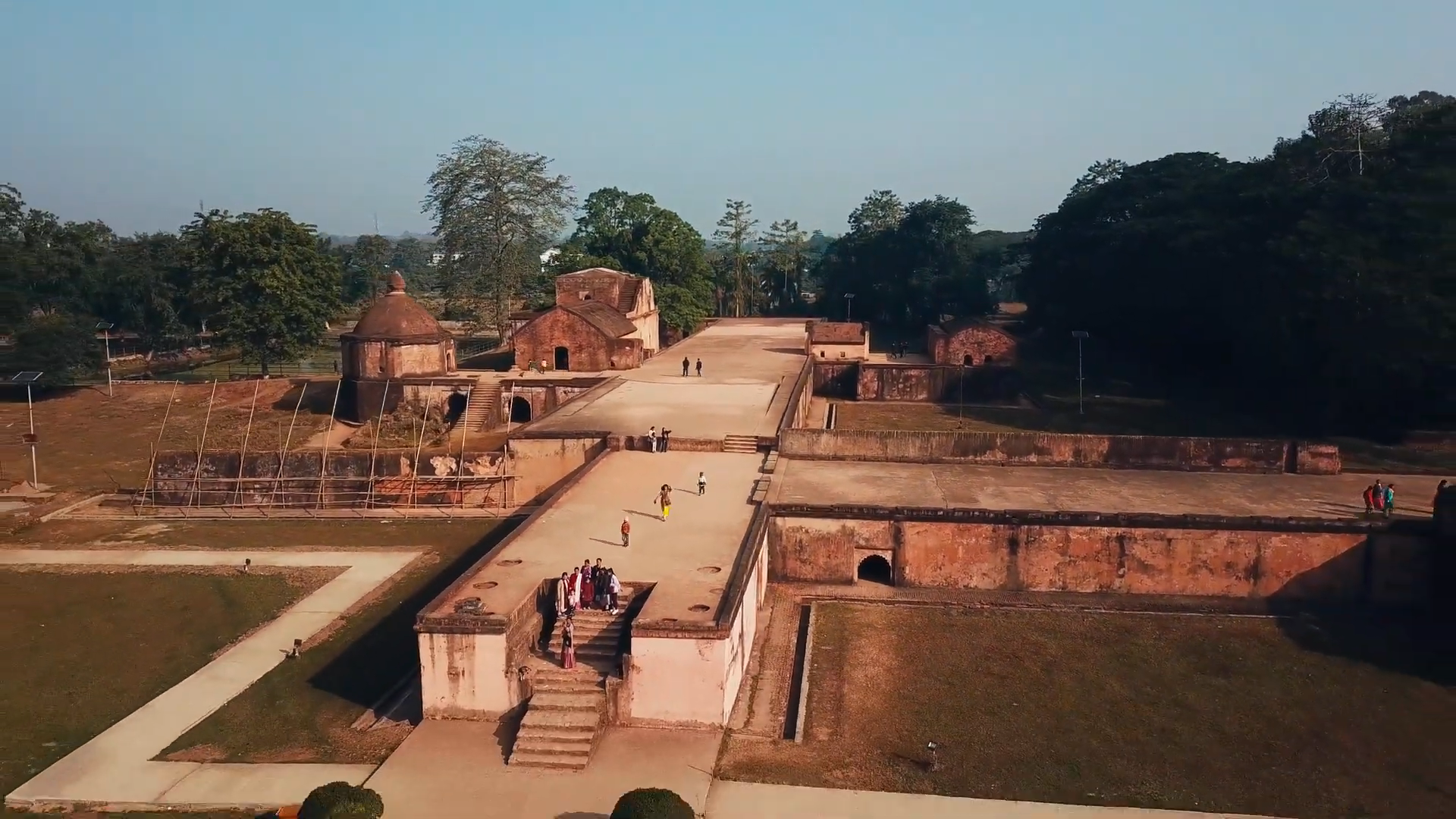
Talatal Ghar
Historic Ahom underground palace
The Talatal Ghar, with its upper part called the Kareng Ghar, is the iconic Tai-Ahom monument built by Swargadeo Rajeswar Singha in 1765 A.D. It served as the royal court, administrative centre and military headquarters of the Ahom Kingdom. The seven-storeyed structure,three underground and four above was built with brick and indigenous cement. It has two secret tunnels, one leading to the Dikhow River and another to the Garhgaon Palace, used as escape routes during wars. The palace once stood within moats and fortifications, with the nearby Gola Ghar serving as the gunpowder store.
Travel distance from Gauhati Univerisity
369 km (8 hrs by road)
Location
Suggested trip duration
2 days
Best time to visit
November to March when the weather remains pleasant.
Visiting Hours
Open all days
10:00 am-17:00 pm
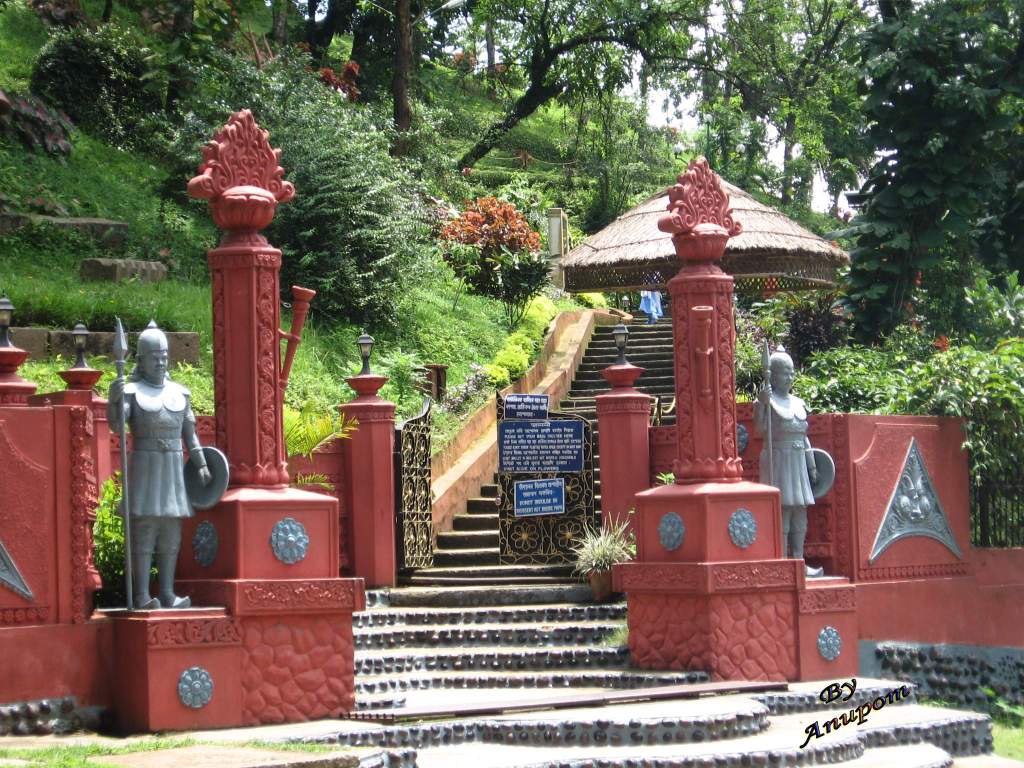
Agnigarh
Mythical hill of Tezpur
Agnigarh, situated on the northern bank of the Brahmaputra River in Tezpur, is a scenic hillock renowned for its mythological and historical significance. According to legend, it was a fortress built by the demon king Banasura to keep his daughter Usha in isolation, surrounded by fire so that no one could enter or leave without permission. Today, Agnigarh has been transformed into a beautiful hill garden with lush lawns and artistic sculptures depicting scenes from the legend. The hill offers a panoramic view of Tezpur town and the Brahmaputra River, attracting both pilgrims and nature lovers. It is now serves as a popular recreational and heritage site
Travel distance from Gauhati Univerisity
196 km (3.5 hrs by road)
Location
Suggested trip duration
2 days
Best time to visit
November to March when the weather remains pleasant.
Visiting Hours
Open all days
9:00 am-18:30 pm
Sri Surya Pahar
A cultural and archaeological treasure of Assam
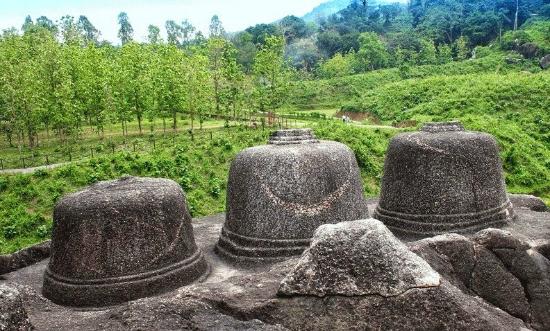
Sri Surya Pahar, located about 13 km from Goalpara town and 127 km from Guwahati, is a famous archaeological site spread over seven peaks and 1400 acres. Protected by the Archaeological Survey of India, it showcases rare rock-cut sculptures and terracotta art representing Hinduism, Buddhism and Jainism. The site offers panoramic views of the Brahmaputra and nearby rivers, with numerous statues, Shivalingas, stupas and ancient caves. Known as the “Hill of the Sun,” it hosts the annual Sri Sri Surya Mela, attracting thousands of devotees and visitors every January. It stands as a testament to Assam’s rich historical and cultural heritage.
Travel distance from Gauhati Univerisity
109 km (3.5 hrs by road)
Location
Suggested trip duration
1 day
Best time to visit
October to February when the weather remains pleasant.
Visiting Hours
Open all days
6:00 am-18:00 pm
Cultural Heritage
Majuli
Land of Satras and culture
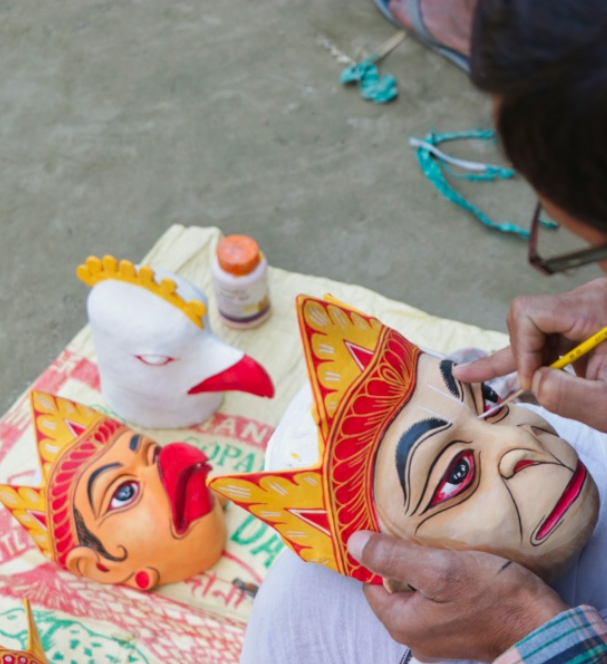
Majuli, an island in the Brahmaputra River in Assam, is known as the cultural soul of the state. It is home to the neo-Vaishnavite Satras founded by Srimanta Sankardeva, which preserve Assam’s rich spiritual and artistic heritage. Visitors can experience Sattriya dance, mask-making, pottery and tribal life while enjoying serene rural landscapes. A visit during the Raas Leela festival in November offers a particularly memorable cultural experience. Majuli’s deep-rooted traditions and peaceful charm make it a must-visit destination in Assam. The island also plays a key role in promoting sustainable living and environmental harmony.
Travel distance from Gauhati Univerisity
328 km (6.5 hrs by road to Nimati Ghat) Location
14.9 km (1.5 hrs by ferry from Nimati Ghat to island)
Suggested trip duration
3 days
Best time to visit
November to March when the weather remains pleasant.
Visiting Hours
8:00 am-16:00 pm (by ferry)
Book tickets online

Sualkuchi
Silk village of Assam
Sualkuchi is one of the largest weaving villages, often called the “Manchester of the East.” Almost every household here owns a traditional handloom (‘taatxaal’), where the rhythmic weaving of Muga, Eri and Paat silk fills the air. Weaving is not just a craft but a way of life, producing exquisite Mekhela Chadars and Gamusas cherished across India. The village’s weaving legacy dates back to the 11th century, nurtured under the Pala Dynasty. With its serene landscape and warm hospitality, Sualkuchi stands as a living museum of Assam’s silk heritage. It beautifully blends tradition and artistry.
Travel distance from Gauhati Univerisity
22.4 km (45 mins by road)
Location
Suggested trip duration
3-4 hrs
Best time to visit
Throughout the year
Visiting Hours
Open all days
Barpeta
Land of Kirtans and Satras
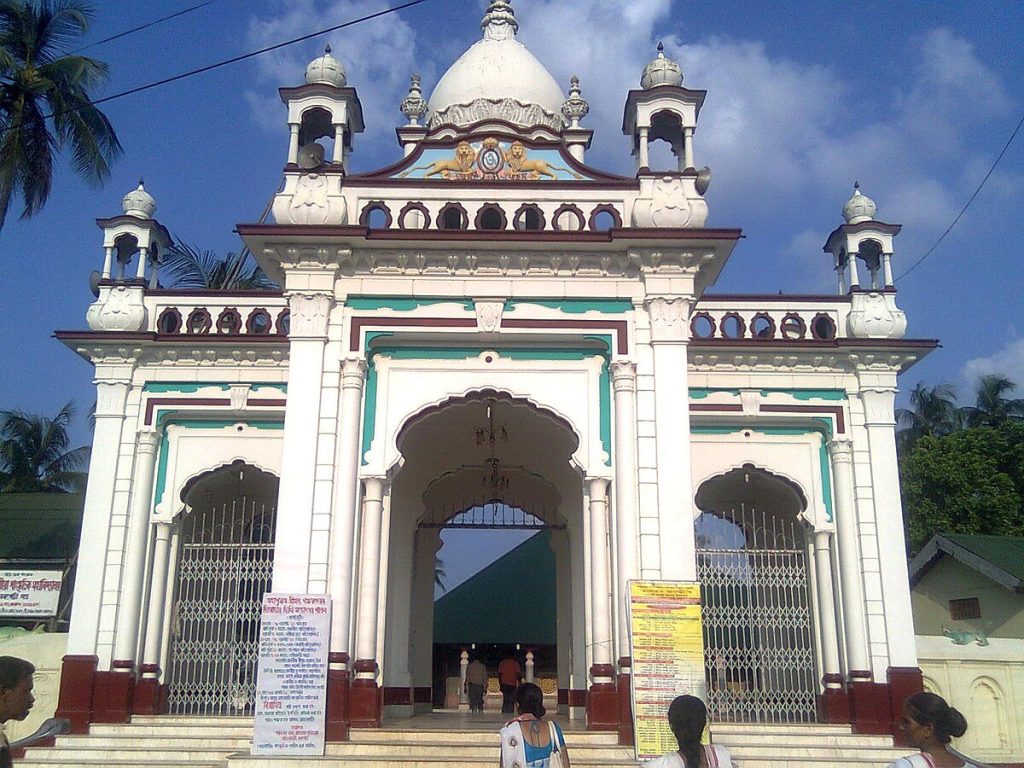
Located about 95 km west of Guwahati, Barpeta is a prominent center of Assam’s neo Vaishnavite culture founded by Srimanta Sankardeva and his disciple Madhabdeva. The town is home to the famous Barpeta Satra, where the values of devotion, art and community are preserved. It also houses the sacred Kirtan Ghar (prayer hall) and the Gorokhiya Gosair Than, both significant for their spiritual and cultural importance. The melodious kirtans, Bhaona performances and serene atmosphere reflect the essence of Assamese faith and tradition. Barpeta provides an easier way to experience Majuli’s Satriya traditions.
Travel distance from Gauhati Univerisity
84 km (2.5 hrs by road)
Location
Suggested trip duration
1 days
Best time to visit
Throughout the year
Visiting Hours
Open all days
Srimanta Sankaradeva Kalakshetra
Place of art and culture
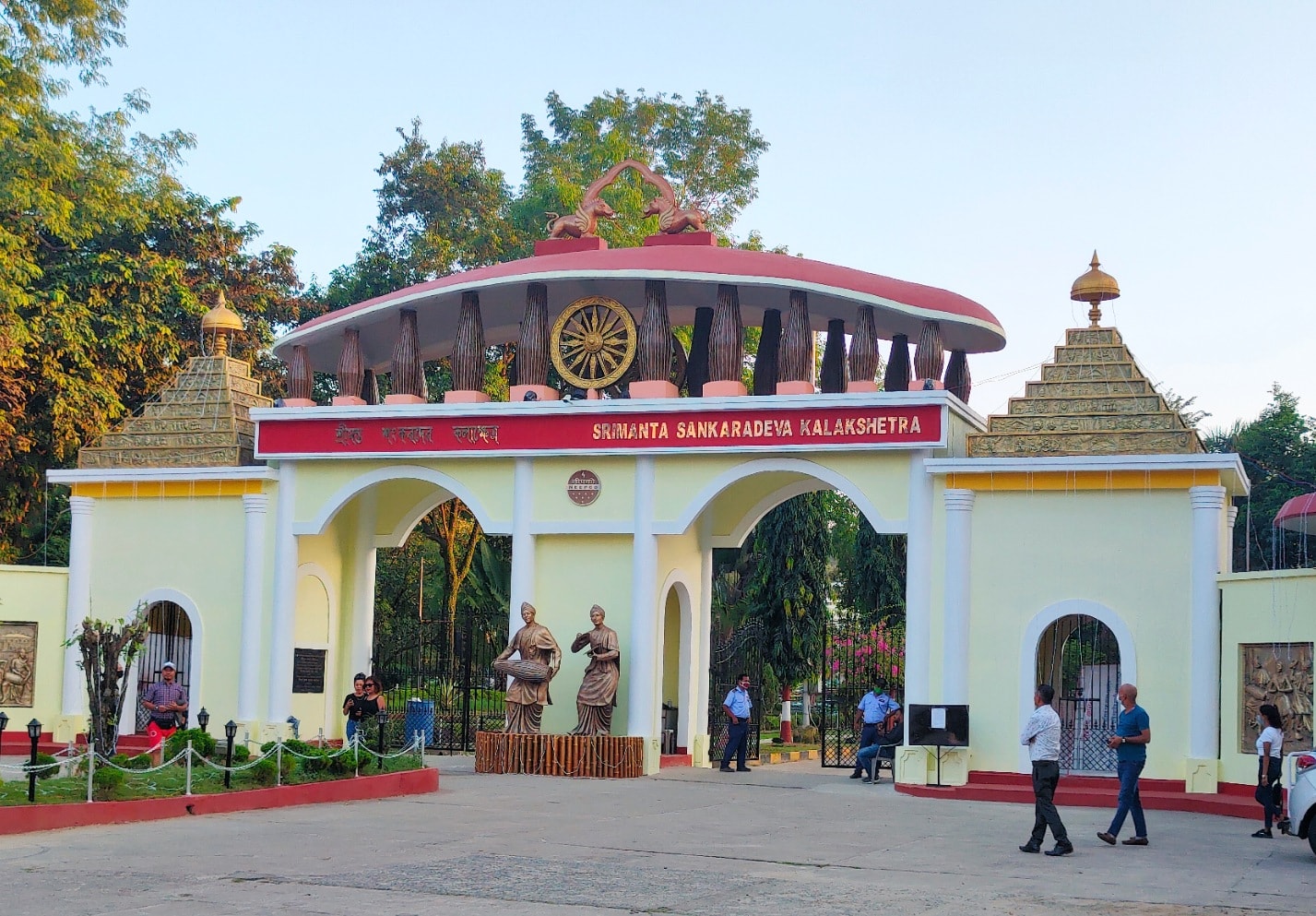
Srimanta Sankaradeva Kalakshetra, located in Panjabari, Guwahati, is a premier cultural complex dedicated to preserving and promoting the rich art, heritage and traditions of Assam and Northeast India. The sprawling 17.5-hectare campus features the Purbajyoti Museum with over 4,000 artifacts, the Lalit Kala wing showcasing contemporary and traditional art, a library with rare manuscripts and the Artists’ Village reflecting rural Assamese life. Visitors can explore a recreational park, outdoor theatre and heritage park, making it a perfect destination for families. The sound and light show vividly narrates Assam’s history and folklore under the starlit sky.
Travel distance from Gauhati Univerisity
21 km (1 hr by road)
Location
Suggested trip duration
1 day
Best time to visit
Throughout the year
Visiting Hours
Open all days
10:00 am-19:00 pm
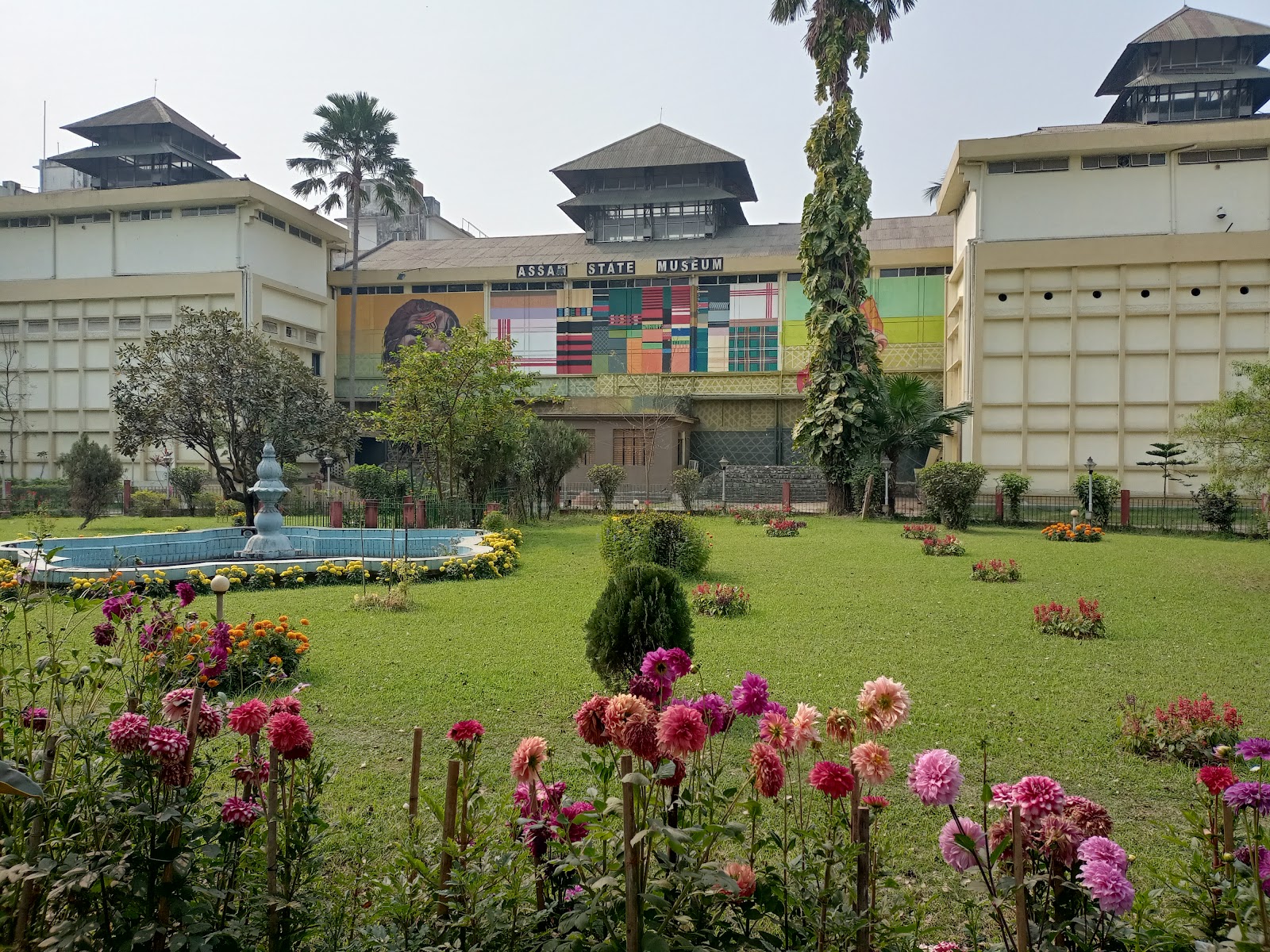
Assam State Museum
Museum of Assamese heritage
Assam State Museum, located near Dighali Pukhuri in the heart of Guwahati City, is one of the most prominent museums in Northeast India. It offers a fascinating insight into the region’s rich heritage and culture, covering both ancient and modern history. The museum houses a rare and diverse collection of exhibits across various sections, including Epigraphy, Sculptures, Miscellaneous, Natural History, Art and Crafts, Anthropology & Folk Art and Arms. It features a well-stocked library containing books, manuscripts and periodicals of significant socio-historical value. The museum serves as a vital center for preserving and showcasing the cultural legacy of Assam.
Travel distance from Gauhati Univerisity
12.6 km (1 hr by road)
Location
Suggested trip duration
1 day
Best time to visit
Throughout the year
Visiting Hours
Open all days (except Monday & Holidays)
9:30 am-5:00 pm
Wildlife
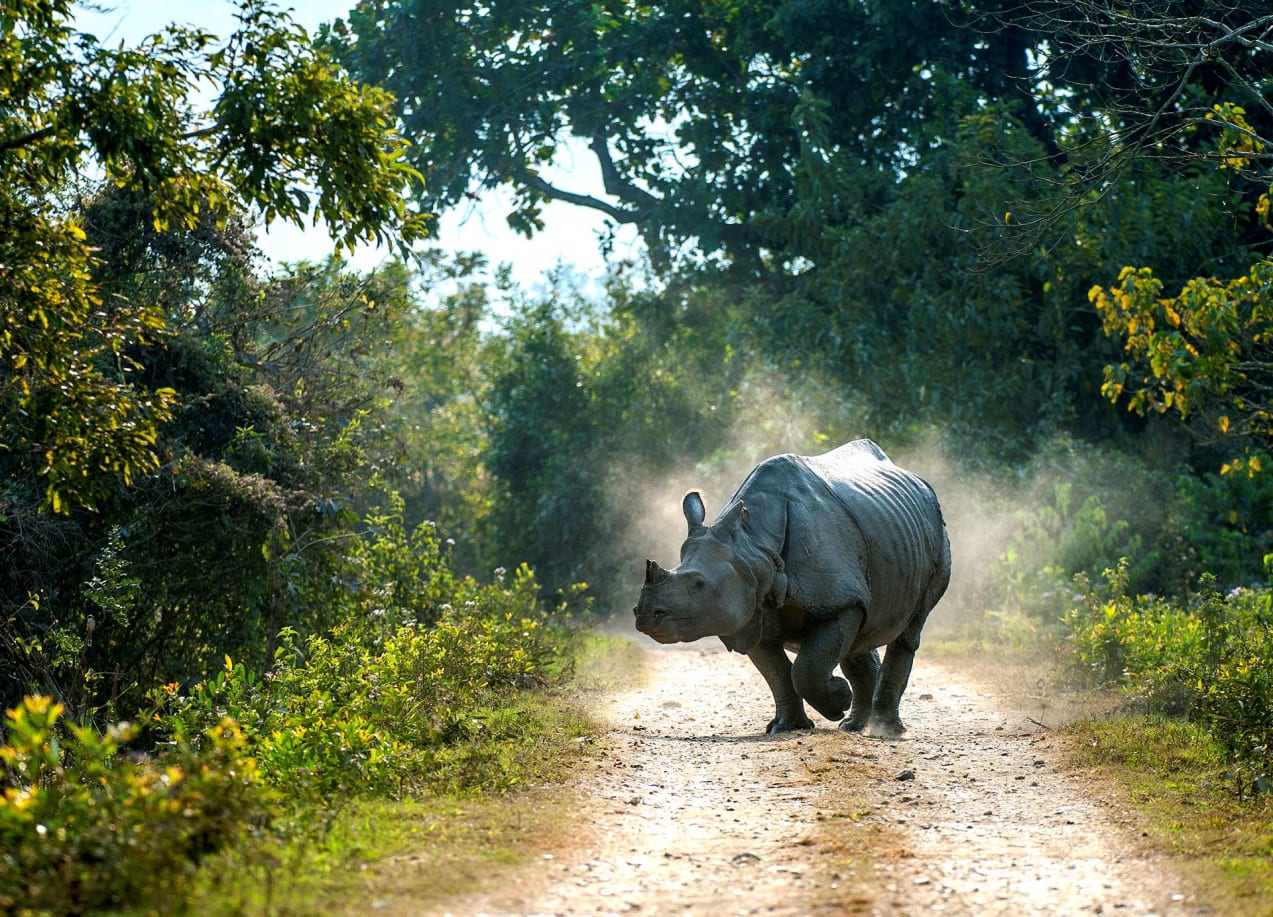
Kaziranga National Park
Home of the one-horned rhinoceros
Kaziranga National Park in Assam, a UNESCO World Heritage Site, is one of India’s most celebrated wildlife sanctuaries. It is globally renowned for conserving the world’s largest population of the great one-horned rhinoceros. Spread across the floodplains of the Brahmaputra River, Kaziranga is also home to tigers, elephants, wild buffaloes and swamp deer, collectively known as India’s “Big Five.” With its lush grasslands, wetlands and over 500 bird species, the park showcases Assam’s vibrant biodiversity and natural beauty, offering unforgettable wildlife safaris and eco-tourism experiences.
Travel distance from Gauhati Univerisity
226 km (3.5 hrs by road)
Location
Suggested trip duration
2 days
Best time to visit
November to April
Visiting Hours
Jeep Safari: 7:30 am-10:00 am,13:30 pm-15:00 pm
Elephant Safari: 5:00 am-7:00 am
Boating: 9am-16:00 pm
Book tickets online
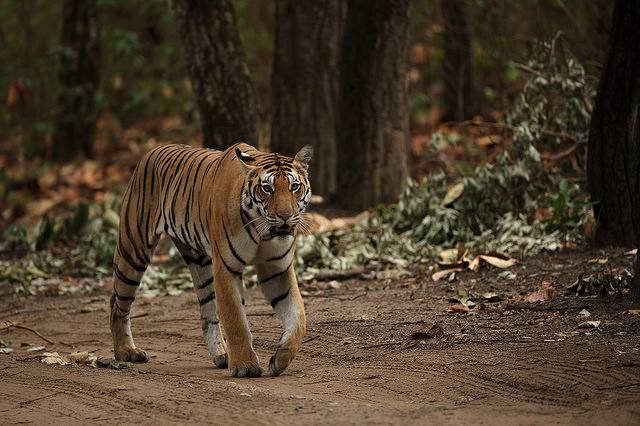
Orang National Park & Tiger Reserve
Mini Kaziranga of the North
Orang National Park, mirrors the scenic landscape of Kaziranga National Park with its lush grasslands, marshes and streams. Located on the northern bank of the Brahmaputra River, it spans 78.80 sq. km of pristine wilderness. The park shelters a thriving population of tigers, one-horned rhinoceroses, elephants, leopards, deer and a variety of migratory and water birds. Its untouched natural beauty and rich biodiversity make it a heaven for nature lovers. A visit to Orang promises an unforgettable experience of Assam’s wild heart and serene charm. It stands as a shining example of successful wildlife conservation on the northern plains of the Brahmaputra.
Travel distance from Gauhati Univerisity
100 km (3 hrs by road)
Location
Suggested trip duration
2 days
Best time to visit
November to April
Visiting Hours
Open all days
Jeep Safari: 7:00 am-15:00 pm
Book tickets online
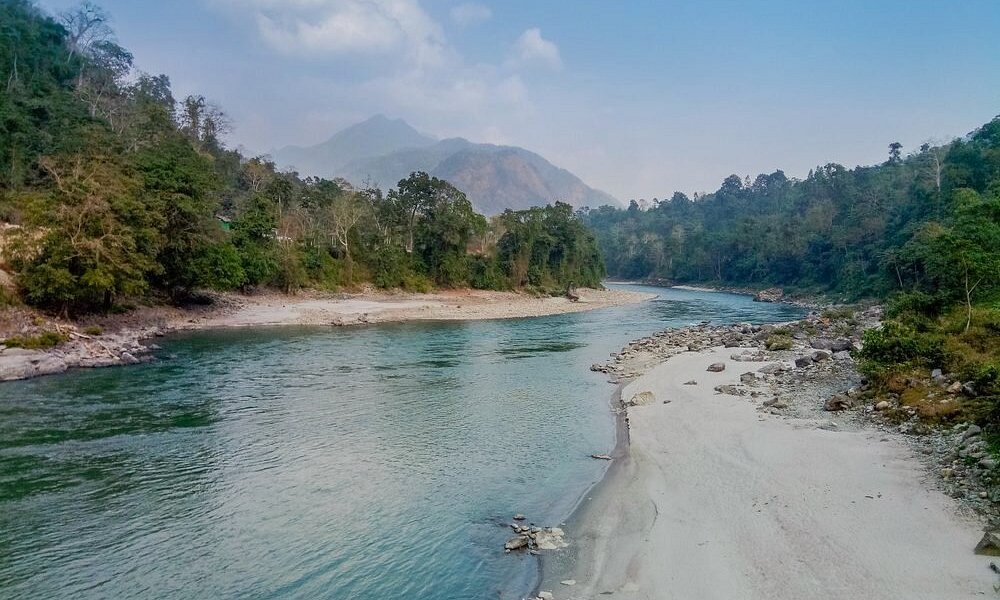
Manas National Park
UNESCO-listed, home to unique wildlife
Manas National Park, located about 176 kilometers from Guwahati at the foothills of the Bhutan-Himalayas in Assam, is a rare blend of a biosphere reserve, tiger reserve, elephant reserve and natural heritage site. Home to over 20 endangered species including the Royal Bengal Tiger, Assam roofed turtle, hispid hare, golden langur and the rare pygmy hog, Manas offers unforgettable jeep and elephant safaris. Visitors can also explore jungle trails, enjoy rafting and experience the vibrant culture of nearby Bodo villages. The park is recognized as a UNESCO World Heritage Site for its exceptional biodiversity. It beautifully showcases Assam’s wild and scenic charm.
Travel distance from Gauhati Univerisity
124 km (2.5 hrs by road)
Location
Suggested trip duration
2 days
Best time to visit
November to April
Visiting Hours
Open all days
Jeep Safari: 6:00 am-12 pm,13:00 pm-14:00 pm
Elephant Safari: 6:00 am-8 am
River Rafting: 8:00 am-9:00 am,13:00 pm-14:00 pm
Book tickets online
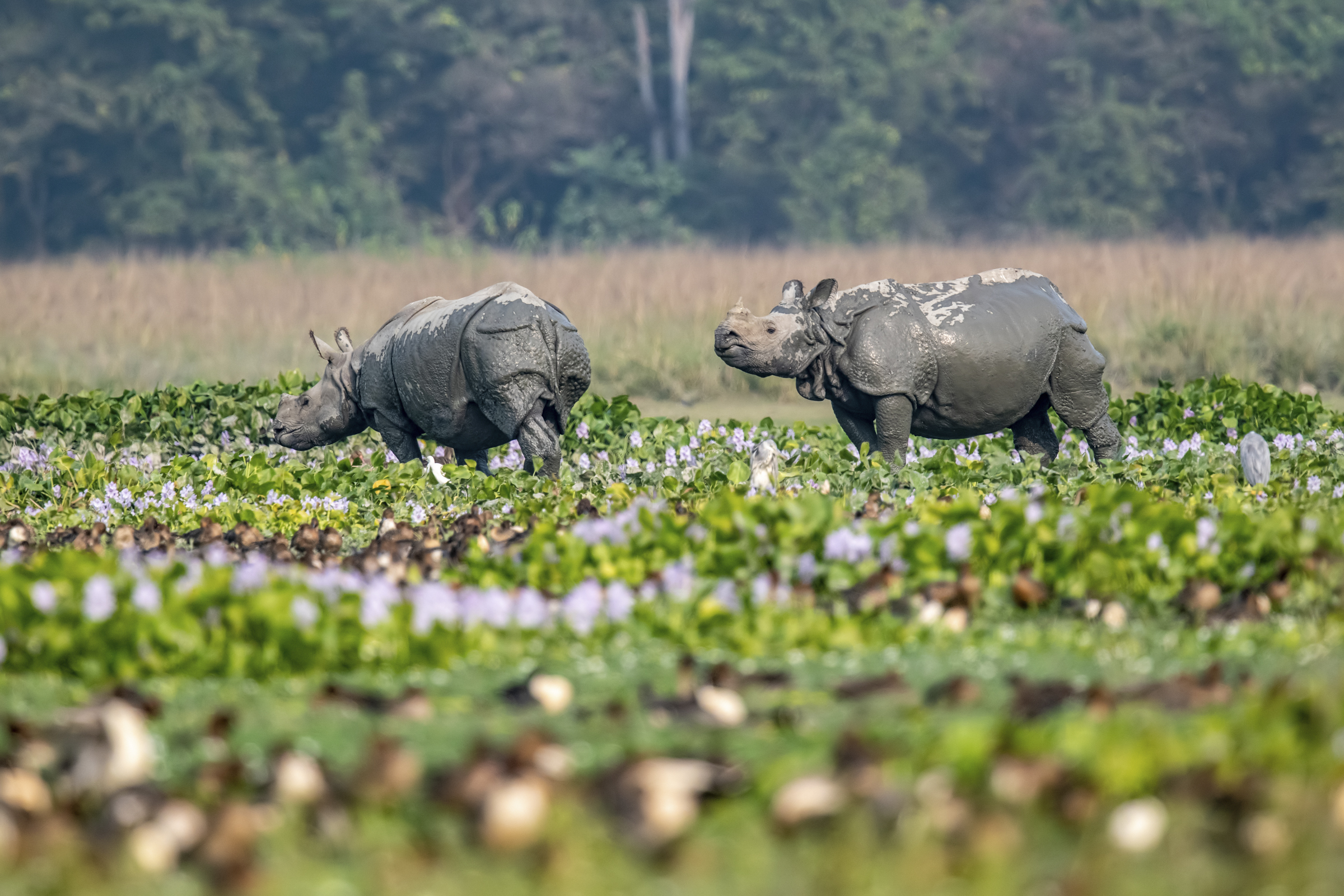
Pobitora Wildlife Sanctuary
A sanctuary of rare wonders
Situated just 56 km from Guwahati, Pobitora Wildlife Sanctuary is a lush haven renowned for having the country’s highest density of the Greater One-Horned Rhinoceros, surpassing even Kaziranga. The Sanctuary consists of the Rajamayong Reserve Forest and Pobitora Reserve Forest. It is home to nearly 375 species of birds, reptiles and mammals, offering nature lovers a vibrant wildlife experience. Jeep safaris, bird-watching and reptile spotting allow visitors to get close to rhinos, elephants, leopards and other fascinating creatures. Steeped in history and conservation efforts, Pobitora was officially designated a protected area in 1971.
Travel distance from Gauhati Univerisity
66.5 km (2 hrs by road)
Location
Suggested trip duration
1 day
Best time to visit
November to April
Visiting Hours
Open all days
Jeep Safari: 7:30 am-12:00 am,13:00 pm-15:00 pm
Elephant Safari: 6.30 am-7.30 am
Book tickets online
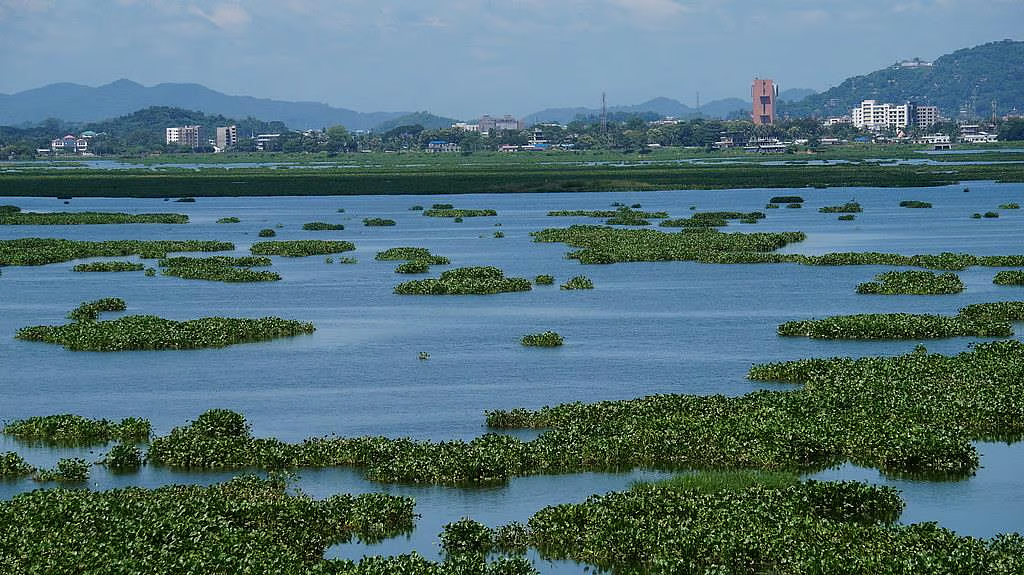
Deepor Beel Wildlife Sanctuary
A serene Ramsar wetland
Deepor Beel is a permanent fresh water lake located about 10 km Southwest of Guwahati city. It also functions as the major storm water storage basin for the city. Apart from this it has got other biological and environmental importance too. Deepor Beel is a crucial habitat for migratory birds and supports the livelihoods of 14 indigenous villages. Apart from being the only Ramsar site in Assam it is also included among Important Bird Area (IBA) sites by Birdlife International. Deepor Beel is not only a paradise for birdwatchers but also a serene retreat for nature lovers seeking tranquility amid scenic beauty.
Travel distance from Gauhati Univerisity
15 km (30 mins by road)
Location
Suggested trip duration
1 day
Best time to visit
October to April
Visiting Hours
8:00 am-17:00 pm
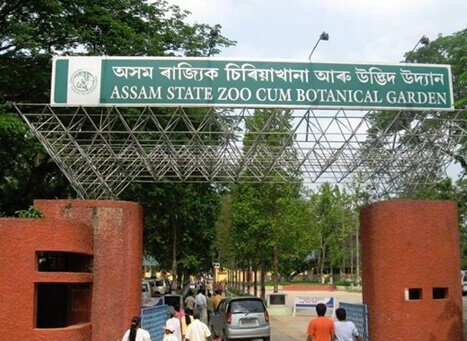
Assam State Zoo cum Botanical Garden
The green heart of Guwahati
Assam State Zoo cum Botanical Garden, the largest in Northeast India, is located in the heart of Guwahati City and spreads over 1.75 sq.km. The zoo comprises of a unique diversity of varied flora and fauna species and houses more than 112 species in all, earning it the nickname “Green Lung” of Guwahati. Visitors can explore the zoo on foot or via golf cart rides, while informative boards provide details about the animals and plants. The zoo also features a stunning orchid house with over 40 varieties, a children’s park and multiple food outlets, making it ideal for families. Its rich biodiversity and serene environment make it a perfect destination for nature lovers and families.
Travel distance from Gauhati Univerisity
16.1 km (1 hr by road)
Location
Suggested trip duration
1 day
Best time to visit
Throughout the year
Visiting Hours
Open all days (except Friday)
8:00 am-16:00 pm
Spiritual
Kamakhya Temple
Ancient and sacred Shakti Peeth
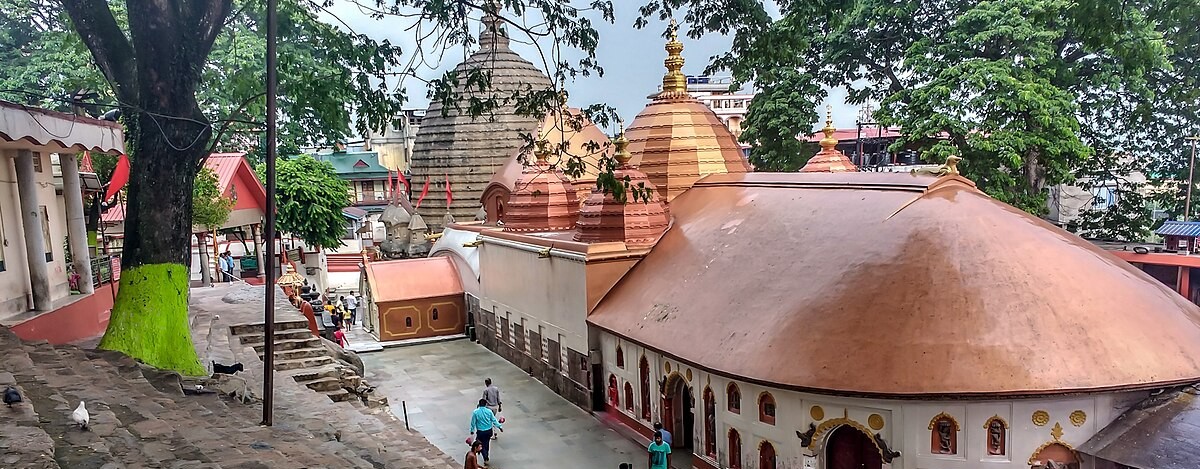
Kamakhya Temple, located on Nilachal Hill in Guwahati, Assam, is a sacred Hindu shrine dedicated to Goddess Kamakhya. It is one of the 51 Shakti Peethas, sacred sites where parts of Goddess Sati’s body are believed to have fallen.The temple is renowned for its tantric rituals and the annual Ambubachi Mela, which celebrates the goddess’s menstruation, attracting thousands of devotees seeking blessings for fertility and spiritual growth every year. The main temple is surrounded by individual temples dedicated to the ten Mahavidyas: Kali, Tara, Sodashi, Bhuvaneshwari, Bhairavi, Chhinnamasta, Dhumavati, Bagalamukhi, Matangi and Kamalatmika.
Travel distance from Gauhati Univerisity
9.4 km (20 mins by road)
Location
Suggested trip duration
1 day
Best time to visit
Throughout the year
Visiting Hours
Open all days
05:30 am-13:00 pm, 14:30 pm- 17:15 pm
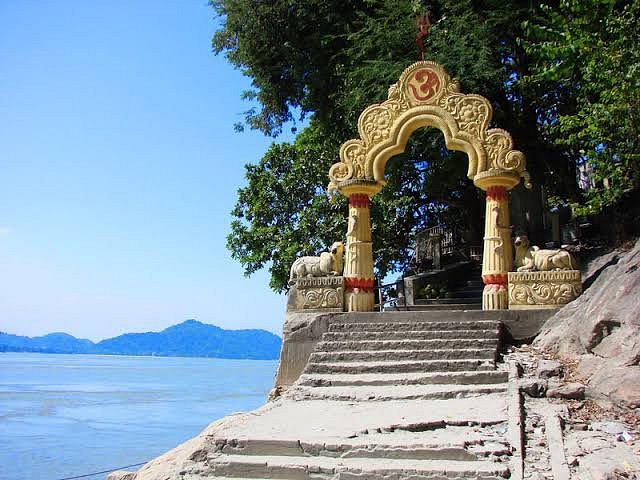
Umananda Temple
Divine island of devotion
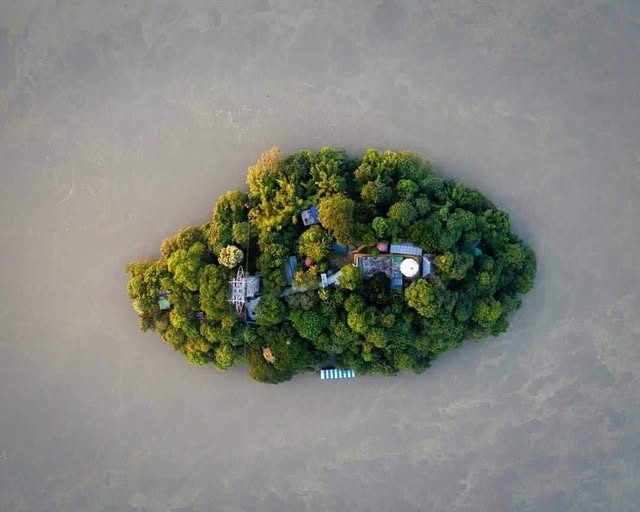
Umananda Temple, located on Umananda Island, popularly known as Peacock Island is one of the most sacred Shiva temples in Assam. Built in 1694 AD by the Ahom king Gadadhar Singh, the temple is adorned with intricate rock carvings and sculptures that reflect ancient Assamese craftsmanship. Surrounded by the mighty Brahmaputra River, it offers a serene and spiritual ambiance steeped in mythology and devotion. The island is accessible only by ferry from Guwahati. The temple becomes especially vibrant during Maha Shivratri, drawing devotees and visitors from far and wide. A perfect blend of natural beauty and divine tranquility, Umananda stands as a jewel in the heart of the Brahmaputra.
Travel distance from Gauhati Univerisity
9.3 km ( 40 mins by road to Lachit ghat)
Location
Suggested trip duration
1 day
Best time to visit
October to March
Visiting Hours
Open all days
5:30 am to 18:00 pm
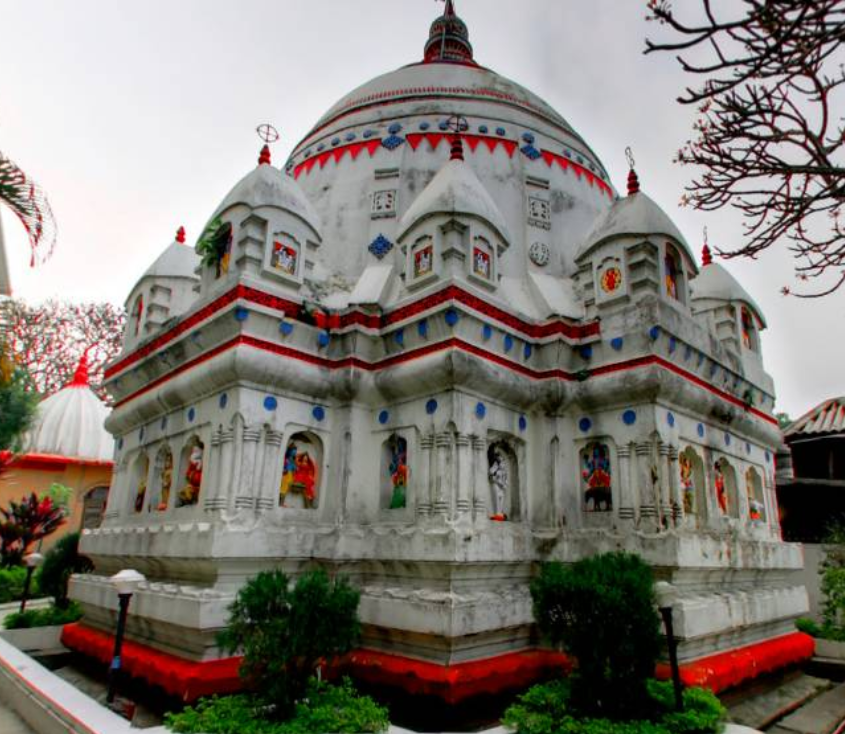
Sukreshwar Devalay
Ancient Shiva temple on riverbank
The Sukreshwar Devalay, meaning “temple of Lord Sukreshwar (Shiva),” is a prominent Shiva shrine in Assam, built in 1744 by the Ahom King Pramatta Singha. Later, in 1759, King Rajeswar Singha, a devout follower of the Shaiva tradition, made generous financial provisions for its upkeep. A long flight of steps descends from the temple compound to the banks of the Brahmaputra River, offering a mesmerizing view of the scenic Umananda Island. The site is known for its peaceful ambience, where visitors can watch the sunset over the river, boats gliding across the water and devotees performing rituals for their ancestors. The Sukreshwar Devalay beautifully combines spirituality, history and natural beauty.
Travel distance from Gauhati Univerisity
10.5 km (50 mins by road)
Location
Suggested trip duration
1 day
Best time to visit
Throughout the year
Visiting Hours
Open all days
6:00 am to 19:00 pm
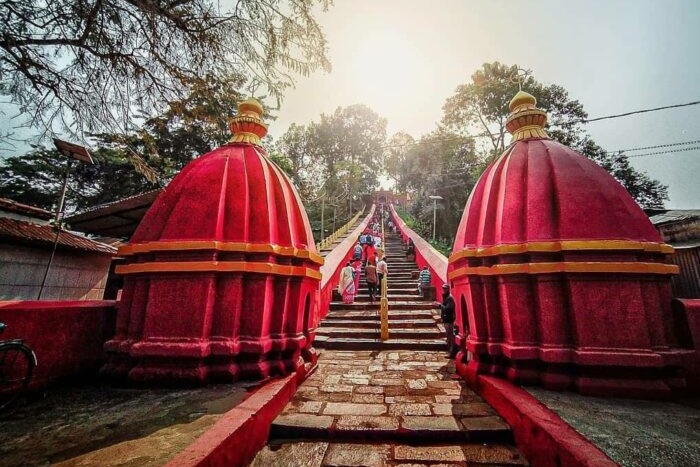
Hayagriva Madhav Temple
Temple of Lord Vishnu
Hayagriva Madhav Temple (meaning “Temple of Lord Madhav,” another name for Lord Vishnu) is situated on Manikut Hill in the town of Hajo, about 30 km west of Guwahati. The temple enshrines an image of Lord Vishnu, resembling the famous Lord Jagannath of Puri, Odisha. It is a revered pilgrimage site for Hindus, as well as for Buddhist Lamas and Bhutiyas, as it is believed that Lord Buddha attained Nirvana (Moksha) at this location. Its exterior is adorned with sculpted figures representing the 10 Avatars of Vishnu, with Buddha depicted as the ninth Avatar. Adjacent to the temple is Madhab Pukhuri, a large pond where devotees offer food to fish and turtles. Festivals such as Doul, Bihu and Janmashtami are celebrated here with great devotion.
Travel distance from Gauhati Univerisity
25.4 km (1 hr by road)
Location
Suggested trip duration
1 day
Best time to visit
Throughout the year
Visiting Hours
Open all days
7:00 am to 19:00 pm
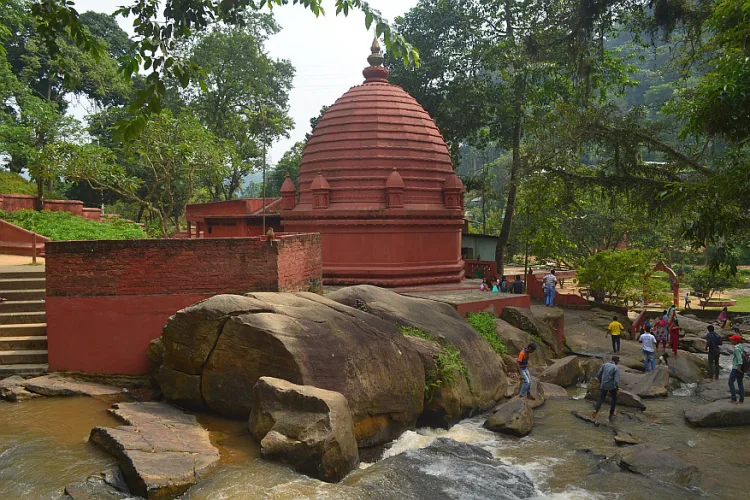
Basistha Temple
Spiritual retreat by the hills
The Basistha Temple, located in the south-eastern corner of Guwahati, is a historic Shiva mandir built by Ahom King Rajeswar Singha in 1764. The temple is situated within the Basistha Ashram, whose origins trace back to the Vedic age. It is believed to be the abode of the revered sage Basistha (Vasishtha), who meditated in the caves nearby. The temple lies on the outskirts of the Garbhanga Reserve Forest, home to a significant population of elephants. While devotees worship at the temple, the cave where Sage Basistha is said to have meditated is located about 5 km inside the forest. The temple is gracefully positioned on the banks of mountain streams originating from the hills of Meghalaya.
Travel distance from Gauhati Univerisity
22.6 km (1 hr by road)
Location
Suggested trip duration
1 day
Best time to visit
Throughout the year
Visiting Hours
Open all days
6:00 am to 21:00 pm
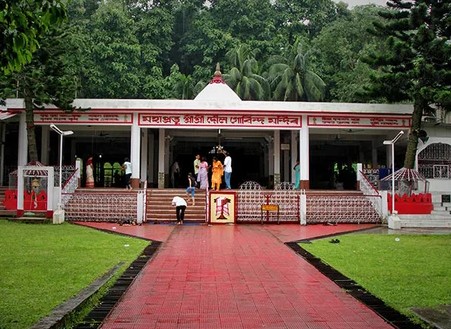
Doul Govinda Temple
Sacred abode of Lord Govinda
Doul Govinda Temple, located on the north bank of the Brahmaputra River, is a site of great historical and spiritual significance. The temple complex, along with nearby shrines, copper plates and rock inscriptions, reflects the rich heritage of North Guwahati. Nestled at the foothills of Chandrabharati Hill in Rajaduar, the temple’s natural surroundings enhance its sanctity and spiritual ambiance. Every day, hundreds of pilgrims visit the temple, with numbers increasing during the month of Magh, especially on the auspicious full moon day. The temple houses two idols: Lord Shyamaray and Lord Govinda, though most devotees primarily offer their prayers to Lord Govinda.
Travel distance from Gauhati Univerisity
16 km (40 mins by road)
Location
Suggested trip duration
1 day
Best time to visit
Throughout the year
Visiting Hours
Open all days
7:00 am to 20:00 pm
Other Attractions
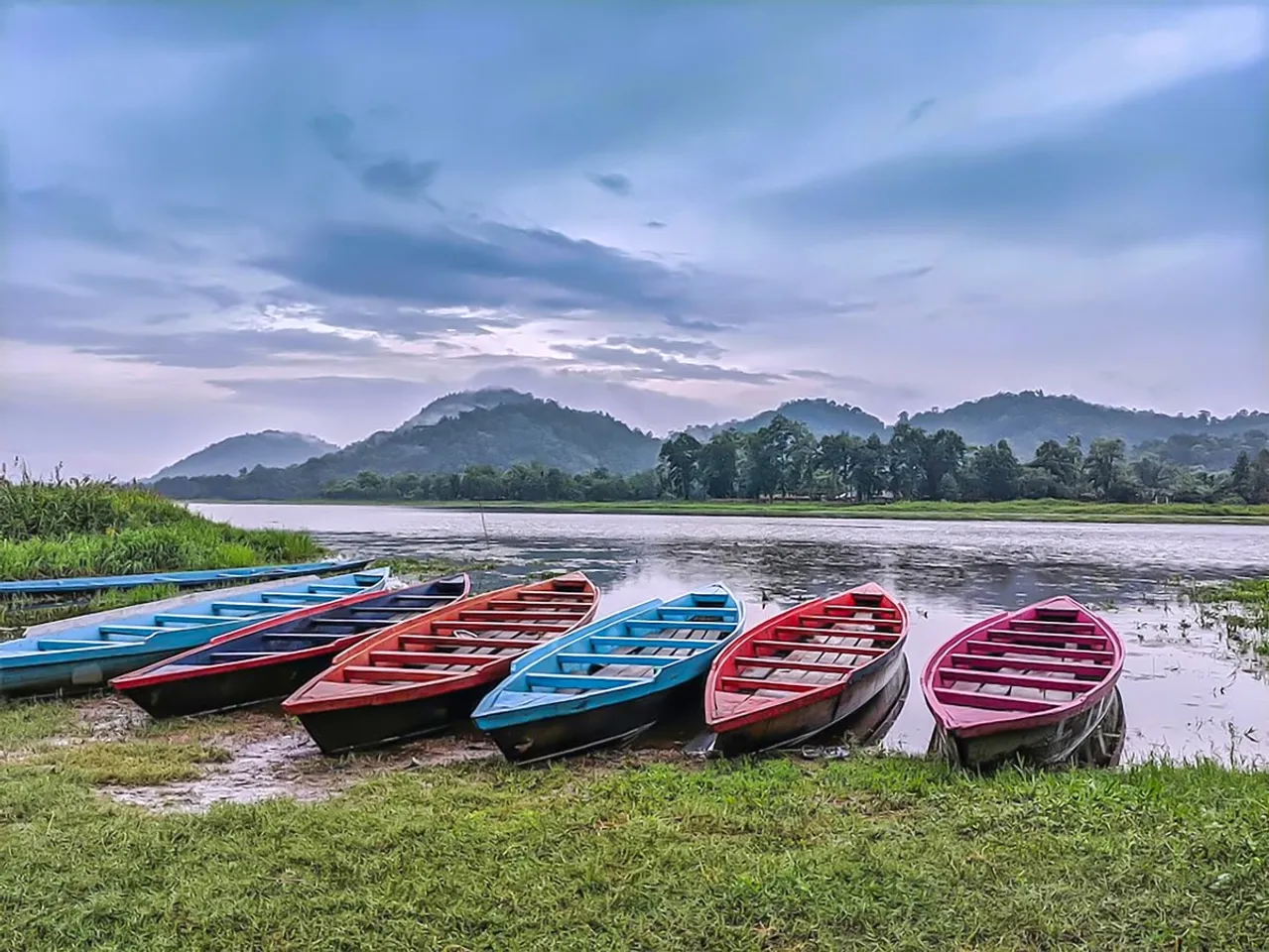
Chandubi Lake
A serene earthquake-born lake
Chandubi Lake, at the foot of the Garo Hills in Assam, was formed by a powerful earthquake in 1897 and is surrounded by lush forests, tea gardens and villages. Its name comes from Khasi words Chand (five) and Dubi (sinking) and local legend also links it to the merchant Chanda Sadasgar. The lake features a serene natural lagoon, ideal for fishing, boating and birdwatching. Every year, the Chandubi Festival celebrates Assamese culture with folk music, traditional dances, handicrafts and local cuisine. The festival also promotes eco-tourism and conservation, highlighting the lake’s natural and cultural significance.
Travel distance from Gauhati Univerisity
50 km (1.5 hrs by road)
Location
Suggested trip duration
1 day
Best time to visit
October to March
Visiting Hours
Open all days
7:00 am to 19:00 pm
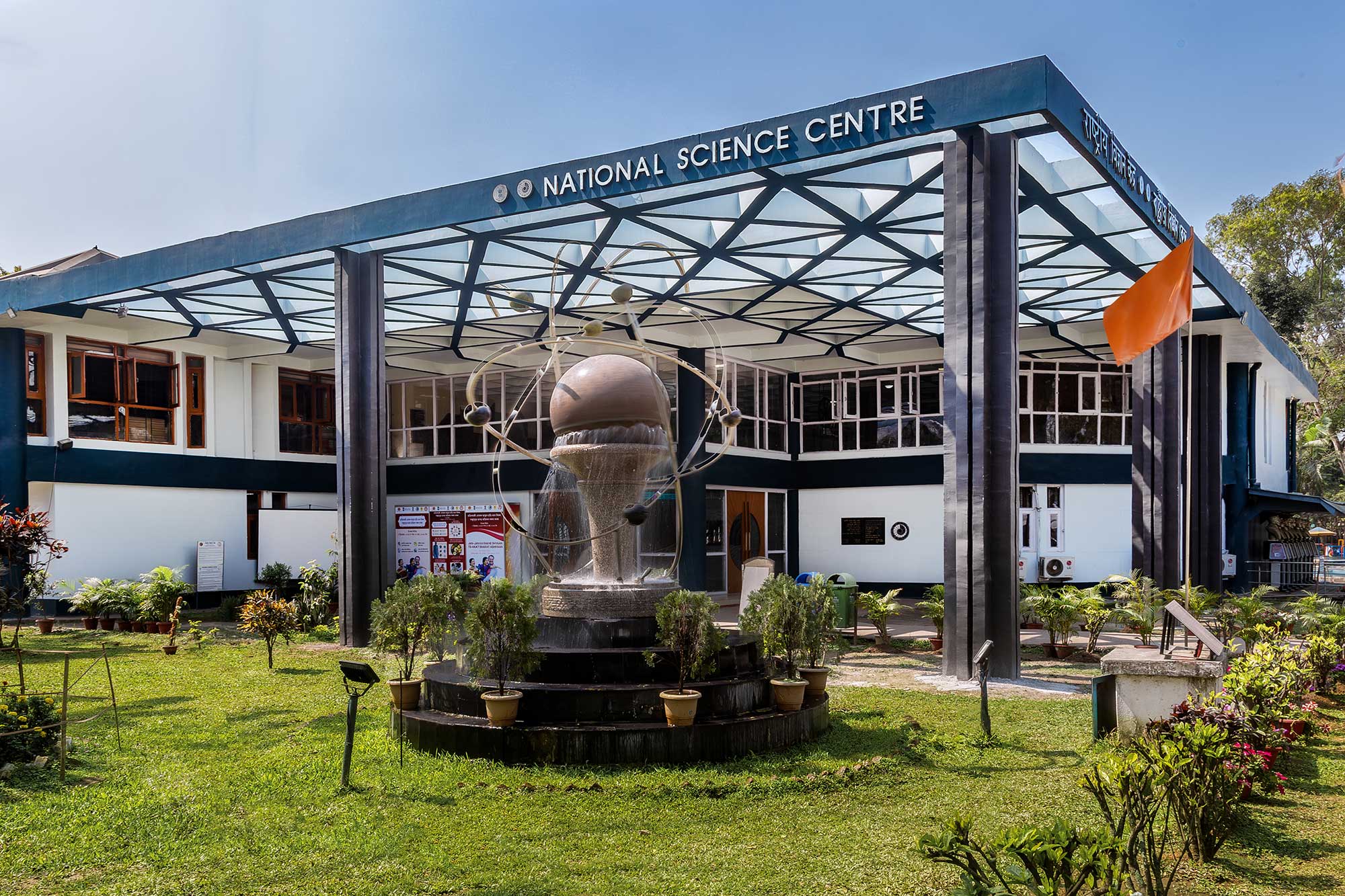
National Science Centre
Hub of science and innovation
The National Science Centre, Guwahati,popularly known as the Science Museum,is a unit of the National Council of Science Museums (NCSM) under the Ministry of Culture, Government of India, dedicated to popularizing science in the region. Inaugurated on March 15, 1994, it serves as a dynamic platform for interactive and fun-based learning, attracting students, teachers and the general public alike. It was the first science centre in Northeast India. Upgraded to national status in January 2024, it now houses interactive galleries, exhibitions and a wide range of educational programs. The Centre also features an Innovation Hub, where students explore creativity and innovation under expert mentorship.
Travel distance from Gauhati Univerisity
22 km (1 hr by road)
Location
Suggested trip duration
1 day
Best time to visit
Throughout the year
Visiting Hours
Open all days
9:30 am to 18:00 pm
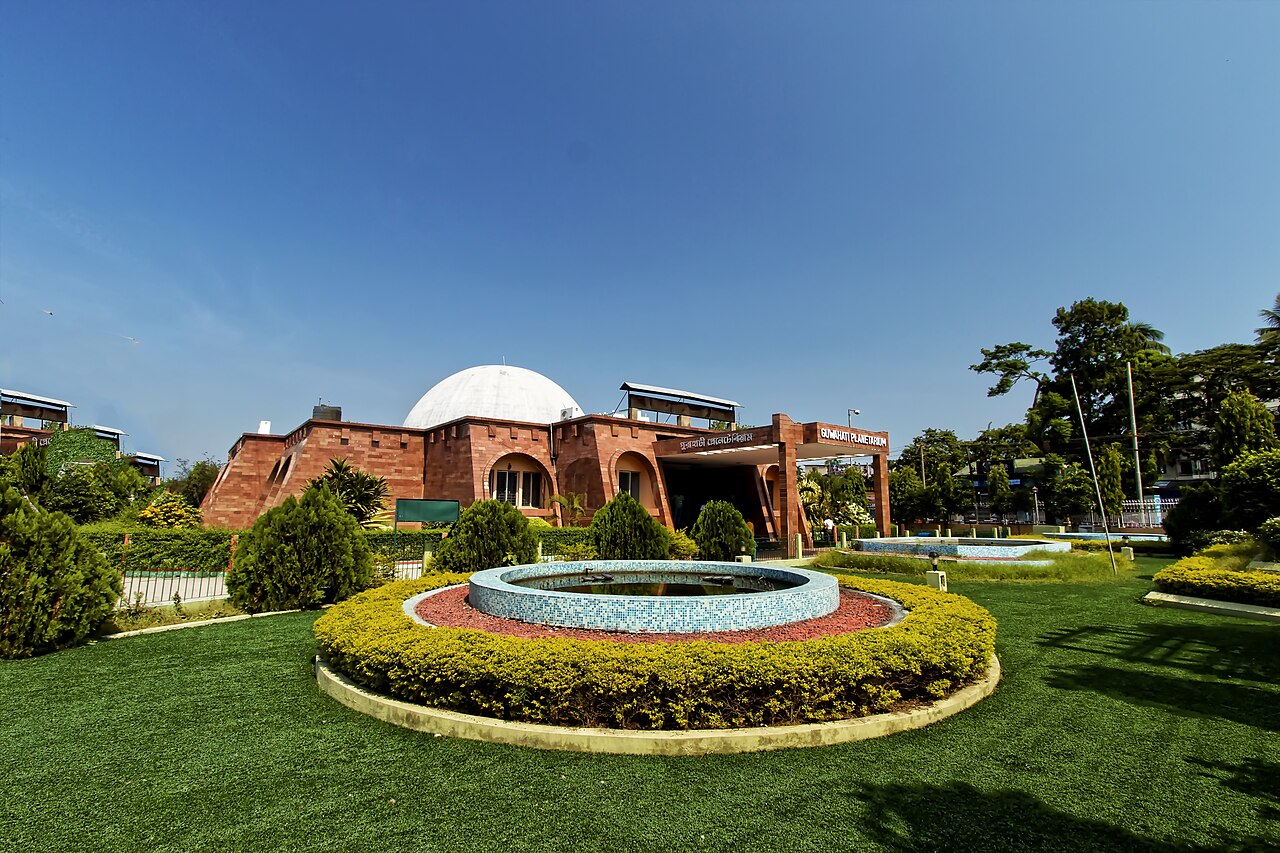
Guwahati Planetarium
Celestial experience in Guwahati
The Guwahati Planetarium, the first and largest planetarium in Northeast India, plays a vital role in promoting scientific curiosity and awareness about space and astronomy. Equipped with a hybrid projection system, it offers virtual reality experiences, an astronomical gallery and telescopes for star observation. The planetarium conducts daily sky shows in Assamese and English, along with seminars, workshops and eclipse-viewing events for students and astronomy enthusiasts. It serves as a dynamic hub for learning, inspiring young minds to explore the wonders of the universe. With its innovative facilities and engaging programs, the Guwahati Planetarium truly stands as a gateway to the cosmos in Assam
Travel distance from Gauhati Univerisity
11.6 km (1 hr by road)
Location
Suggested trip duration
1 day
Best time to visit
Throughout the year
Visiting Hours
Open all days (except Sundays)
10:00 am to 17:00 pm
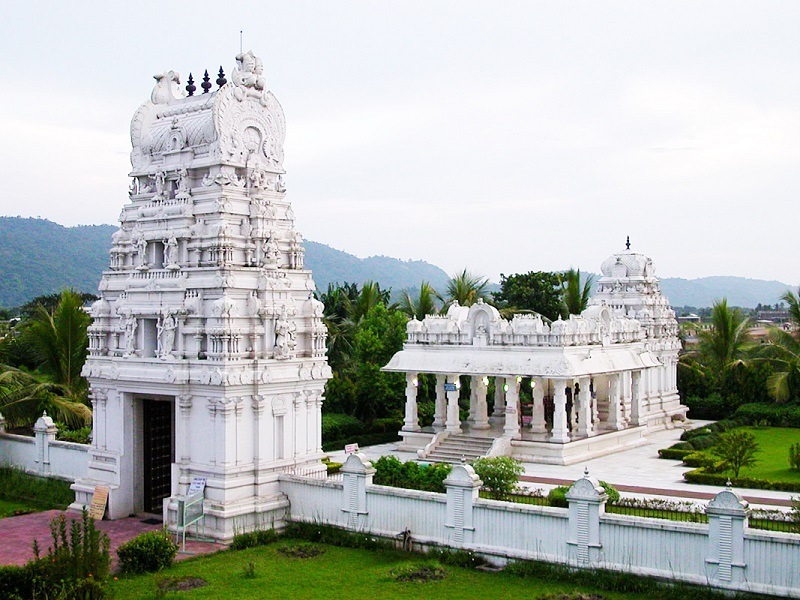
Purva Tirupati Sri Balaji Temple
Temple of South Indian grandeur
The Purva Tirupati Sri Balaji Temple, located along NH-37 in Guwahati, is a magnificent replica of the Tirupati Temple, showcasing majestic South Indian architecture. Its 70-foot gopuram and the 4-ton idol of Lord Balaji, carved from a single stone, captivate every visitor. The temple also enshrines Goddess Padmavati and Garuda, adding to its divine aura. With a serene garden, Yagasala, and vibrant festivals, it radiates peace, devotion, and architectural brilliance—especially when illuminated at night. The temple attracts devotees and tourists alike, offering a divine experience in the heart of Assam. It stands as a symbol of faith and cultural harmony, blending tradition with tranquility.
Travel distance from Gauhati Univerisity
12.6 km (20 mins by road)
Location
Suggested trip duration
1 day
Best time to visit
Throughout the year
Visiting Hours
Open all days
7:00 am to 11:00 pm, 15:30 pm to 19:30 pm
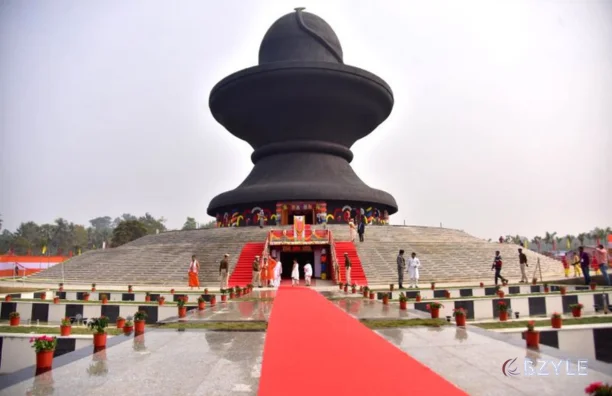
Maha Mrityunjay Temple
Iconic Shivalinga of Nagaon
The Maha Mrityunjay Temple in Nagaon, Assam, is a magnificent shrine dedicated to Lord Shiva, uniquely built in the form of a massive Shivalinga. Standing at an astounding 126 feet, it holds the distinction of being the world’s largest Shivalinga, drawing devotees and tourists from across the country. Located on Mahapurush Srimanta Damodar Path in the Kalajugi area, about 120 km from Guwahati, the temple symbolizes faith, strength and spiritual healing. Surrounded by a serene ambiance, the site offers a deeply peaceful and divine experience to all who visit. It is not only a sacred place of worship but also a marvel of architecture and engineering excellence, making it one of Assam’s most iconic spiritual landmarks.
Travel distance from Gauhati Univerisity
143 km (3 hrs by road)
Location
Suggested trip duration
1 day
Best time to visit
Throughout the year
Visiting Hours
Open all days
7:00 am to 12:30 pm, 13:00 pm to 21:00 pm,
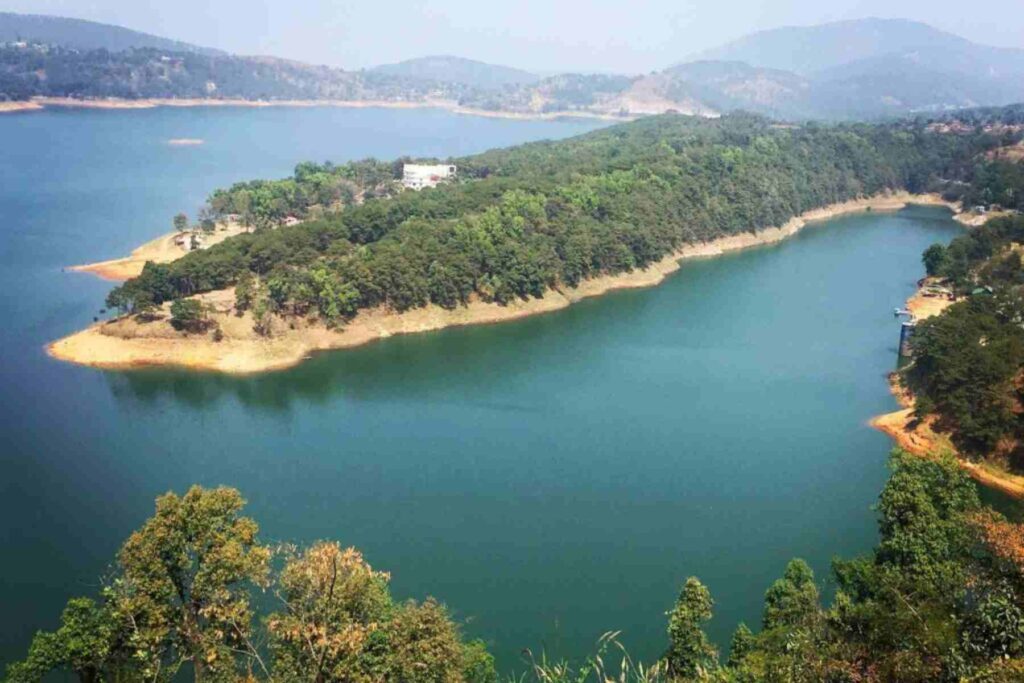
Umiam Lake
Serene waters amidst Shillong hills.
Umiam Lake, locally known as Dam Sait, is a serene reservoir located 15 km north of Shillong, created in the 1960s by damming the Umiam River. Surrounded by lush hills, it was the first reservoir-based hydroelectric project in Northeast India. Today, it is one of Meghalaya’s most picturesque destinations, offering boating, water sports and breathtaking views. The adjoining Orchid Lake Resort provides lodging, dining and a scenic swimming pool overlooking the lake. With its tranquil beauty and adventure options, Umiam Lake is a perfect blend of nature and recreation. Its calm waters and misty surroundings make it a photographer’s paradise.
Travel distance from Gauhati Univerisity
100 km (2 hrs by road)
Location
Suggested trip duration
1 day
Best time to visit
Throughout the year
Visiting Hours
Open all days
9:00 am to 17:00 pm
Shopping
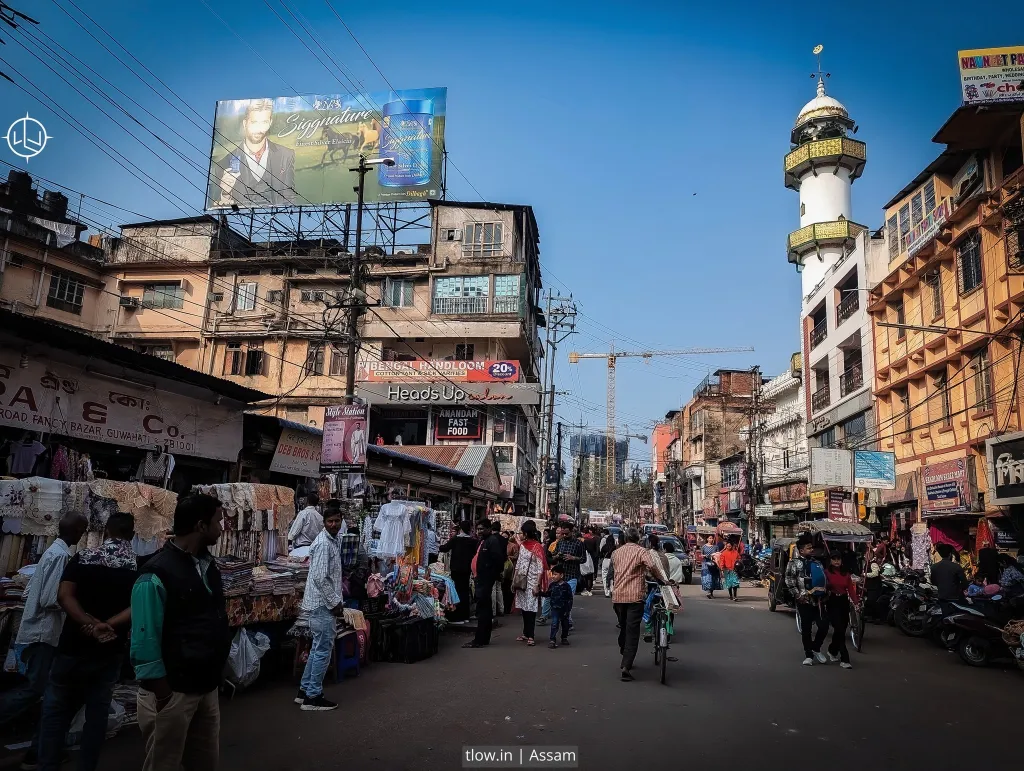
Fancy Bazar
A popular shopping place
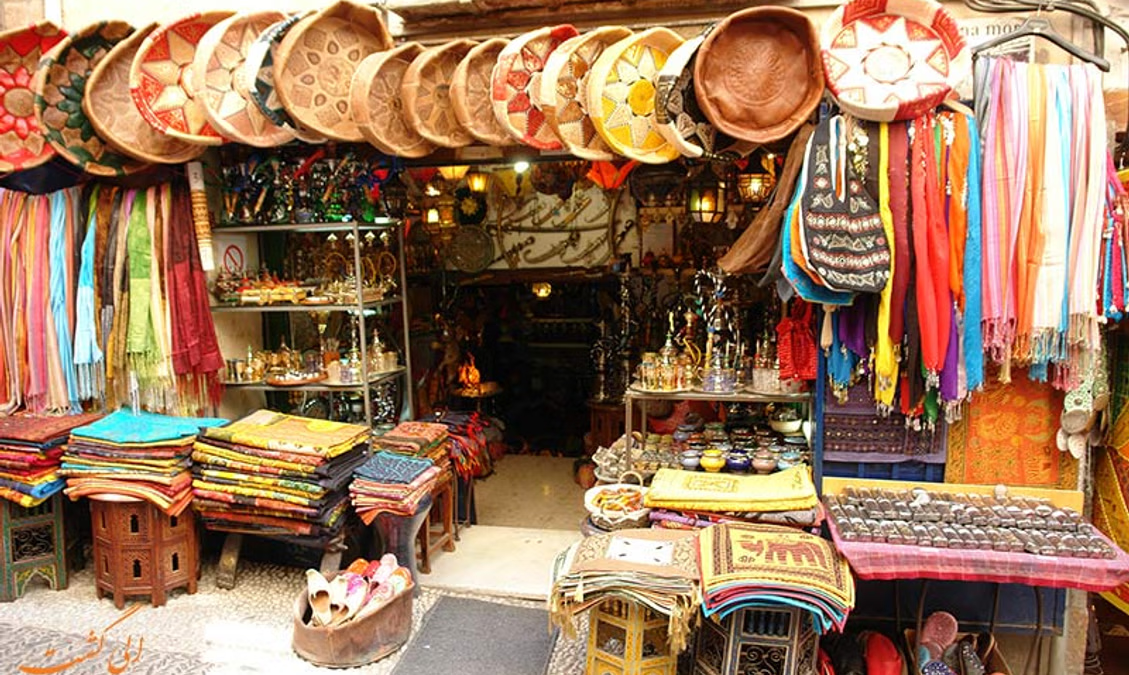
Fancy Bazar, often called the shopping paradise of Guwahati, is one of the oldest and busiest commercial hubs in Assam. Bustling with narrow lanes and vibrant shops, it offers everything from clothes, footwear and jewelry to electronics, home decor and traditional Assamese items. The market is especially famous for affordable prices, wholesale goods and street food. Visitors can find exquisite Assamese silk garments, handicrafts and local spices alongside modern products. Whether you’re a tourist or a local, Fancy Bazar perfectly blends the charm of tradition with the buzz of modern commerce. The market’s lively atmosphere, filled with the sounds of bargaining and the aroma of local snacks, creates an unforgettable shopping experience.
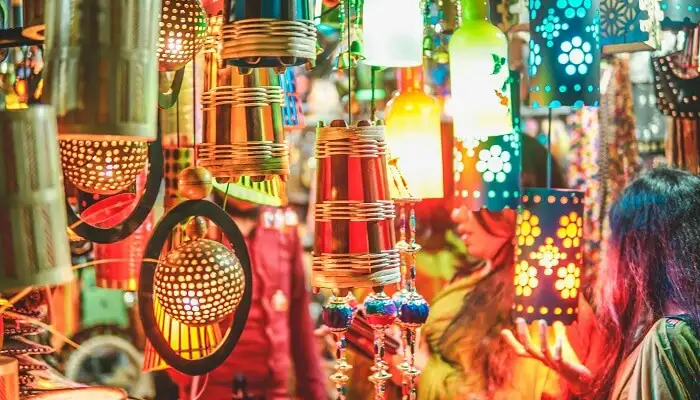

Craft Market
Place for Assamese crafts
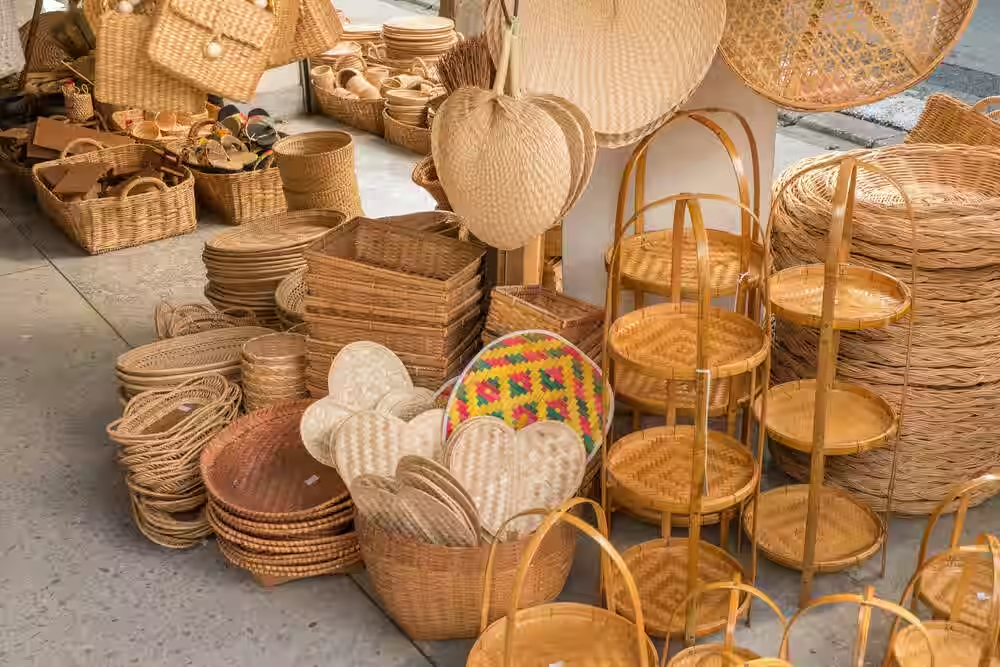
Guwahati’s craft market beautifully showcases the region’s rich handicraft heritage through places like NEDFi Haat, Purbashree Emporium and Pragjyotika Assam Emporium. Located in Ambari, NEDFi Haat is a vibrant marketplace that promotes traditional arts, handlooms and crafts from across the Northeast. Purbashree Emporium, situated in Panbazar, offers exquisite handwoven silks, bamboo crafts and decorative items from artisans of Assam and other northeastern states. Meanwhile, Pragjyotika Assam Emporium, located at Ambari, features a premium collection of Assam’s finest products including Muga and Eri silk garments, cane furniture and handcrafted jewelry. These markets together provide visitors with a glimpse into Assam’s craftsmanship and cultural artistry under one roof.
Traditional Silk Weaves and jewellery
Where Assamese culture shines
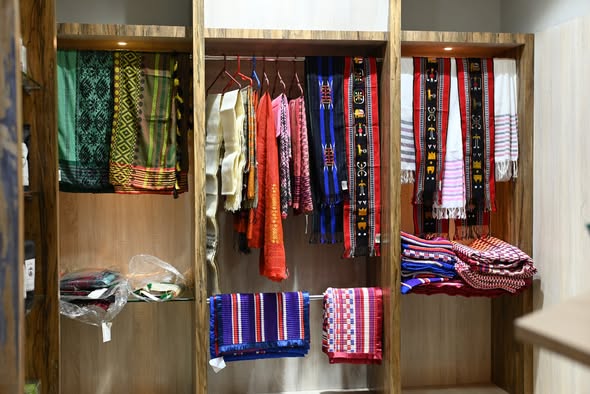
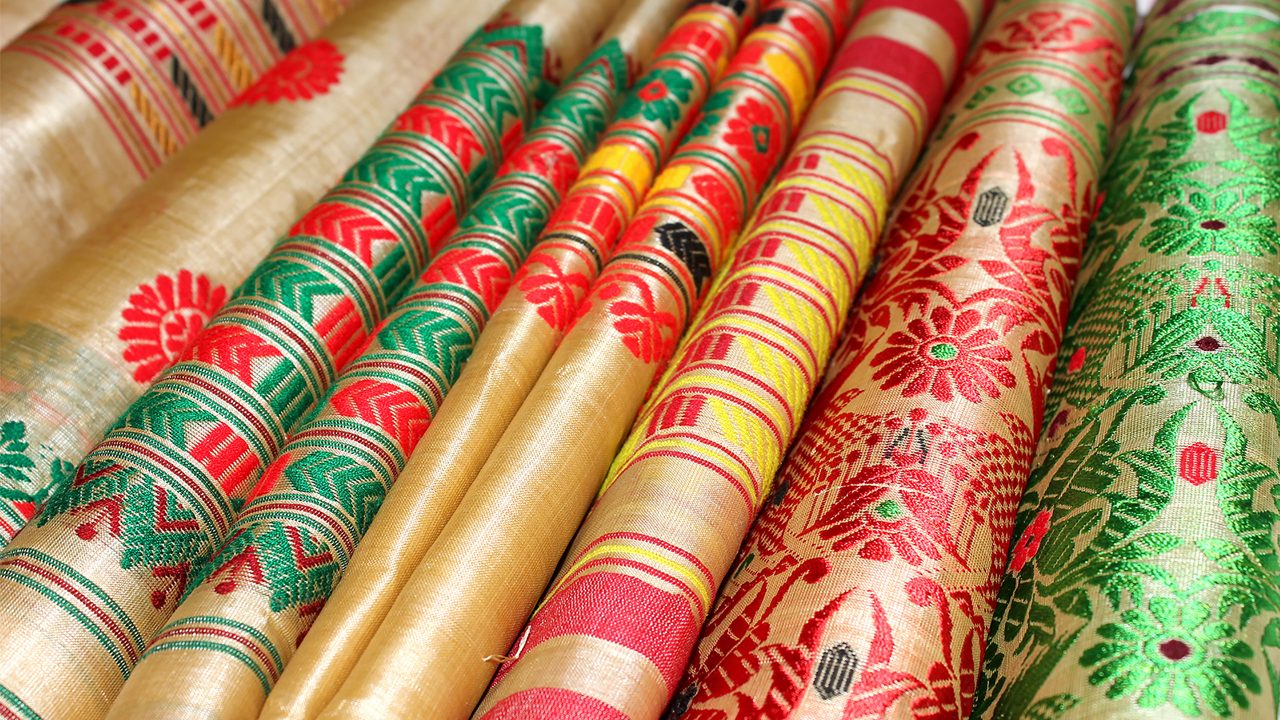
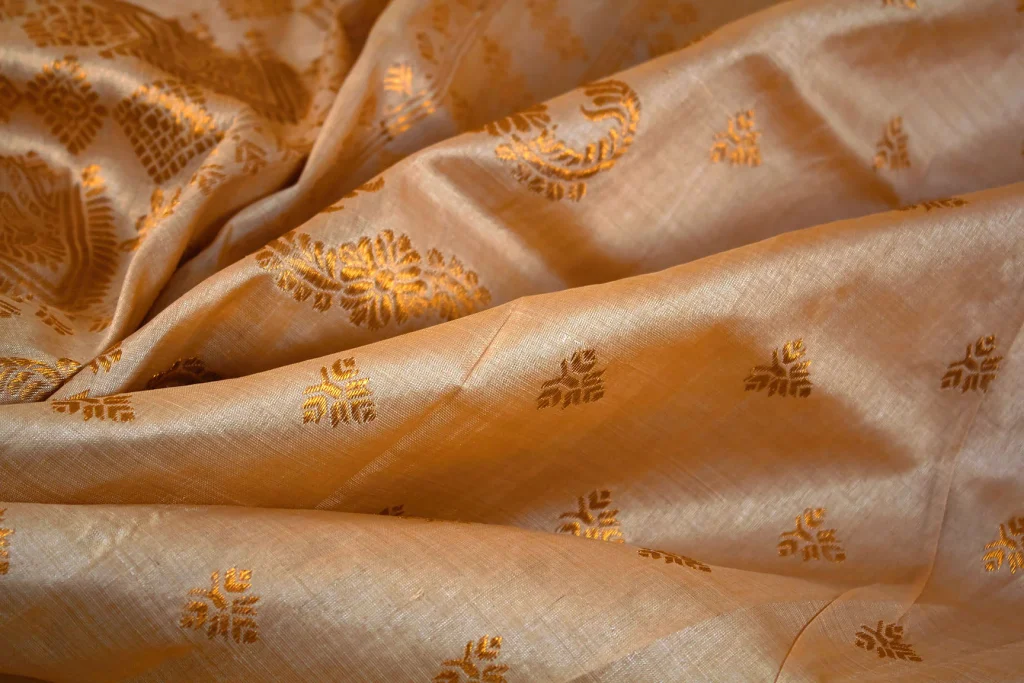
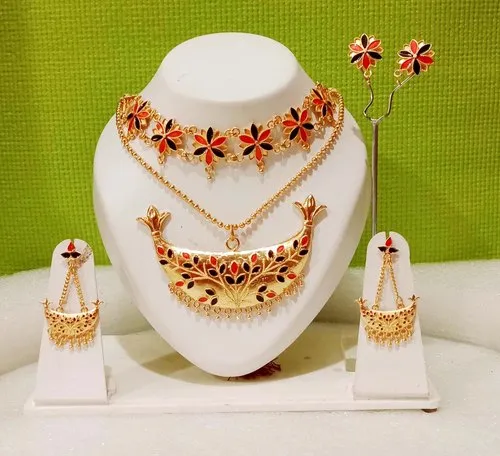
Guwahati is home to several famous stores where visitors can buy authentic Assamese silk and traditional attire like Mekhela Chador. Shops such as Silkalay, Manju Silk Centre and Assam Silk Emporium offer a wide range of Muga silk (golden, glossy silk from Antheraea assamensis), Paat silk (white and smooth from Bombyx textor), Eri (warm, soft silk from Samia ricini) and Nuni Paat (light, fine silk known for its delicate texture) fabrics. Each store reflects the state’s rich weaving tradition and craftsmanship, making them the perfect places to experience and purchase Assam’s elegant handwoven silks. To complete the traditional look, jewellery shops like Prajapati, Zangfai and other local stores offer authentic Assamese Gohona such as Junbiri, Gamkharu, etc.

Aromatic Assam Tea
A perfect blend of taste and aroma
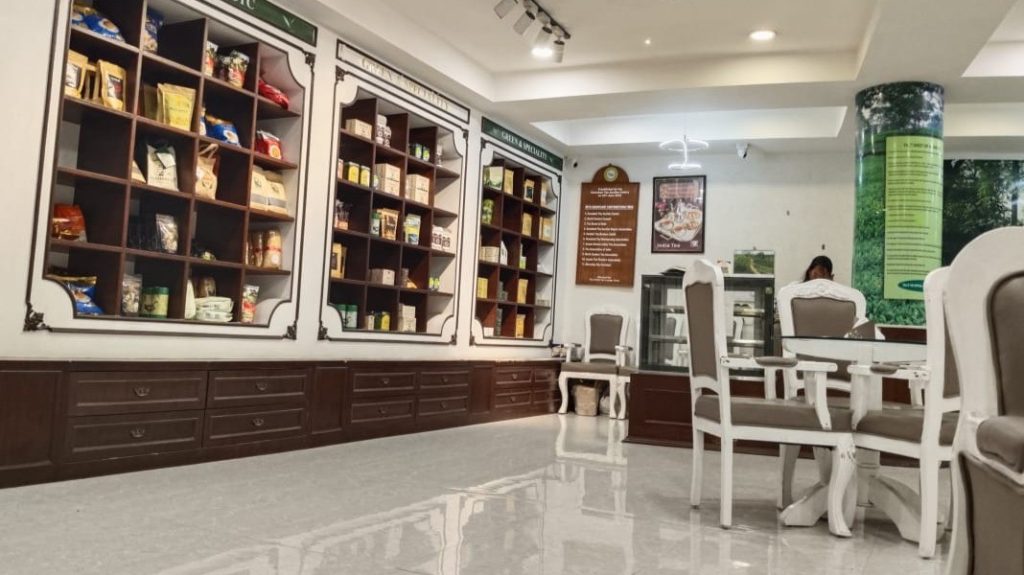
No trip to Assam is complete without taking home its famous tea. Visitors can experience the true essence of Assam’s tea culture at the GTAC Tea Lounge in Guwahati, run by the Guwahati Tea Auction Centre. The lounge offers an immersive experience where guests can savor premium brews of black, green, white and orthodox teas sourced directly from Assam’s lush gardens. The aroma, flavor and freshness of these teas reflect the state’s fertile valleys and rich heritage of tea craftsmanship. Another must-visit is the Amalgamated Plantations Private Limited (Tata Group) outlet, known for its high quality packaged teas that preserve Assam’s bold and malty character. Visitors can choose from a variety of signature blends, gift boxes perfect as souvenirs or to enjoy a taste of Assam back home.

Modern Shopping Hubs
Shop, dine and enjoy in style
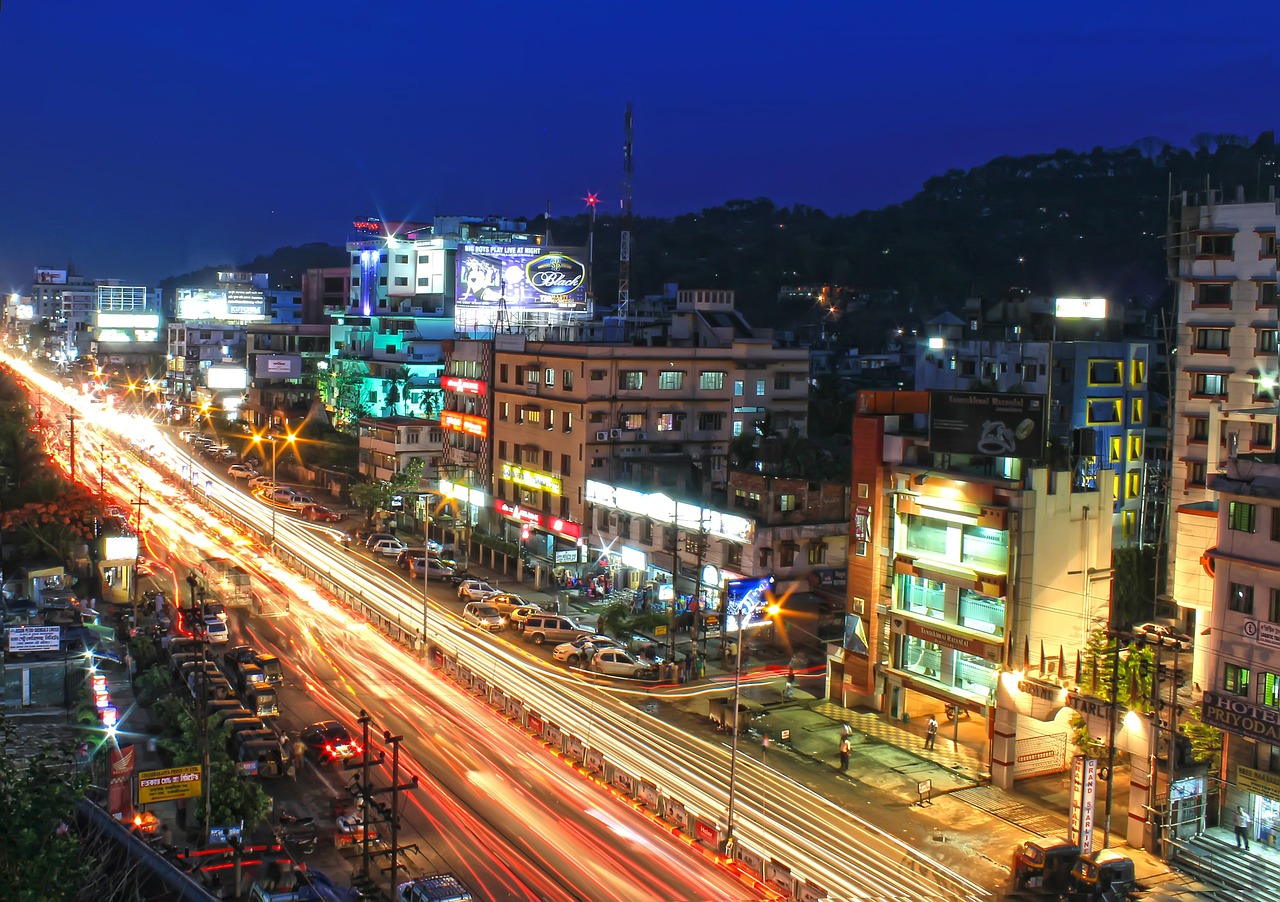
Guwahati’s GS Road is the heartbeat of the city’s modern shopping and entertainment scene. Stretching from Ulubari to Khanapara, this bustling stretch is home to some of the most popular malls in Northeast India. City Centre Mall, located in Christian Basti, is a favorite among locals and visitors alike, featuring popular brands, a multi-cuisine food court, and a lively gaming zone. Central Mall offers a perfect mix of fashion outlets, lifestyle stores, and cafes, making it an ideal stop for family outings. Roodraksh Mall, with its elegant interiors and wide shopping range, is another popular destination for fashion lovers. Visitors can shop for clothing, electronics, cosmetics and accessories, or simply relax at cafes and restaurants offering both local and global cuisines.


Food
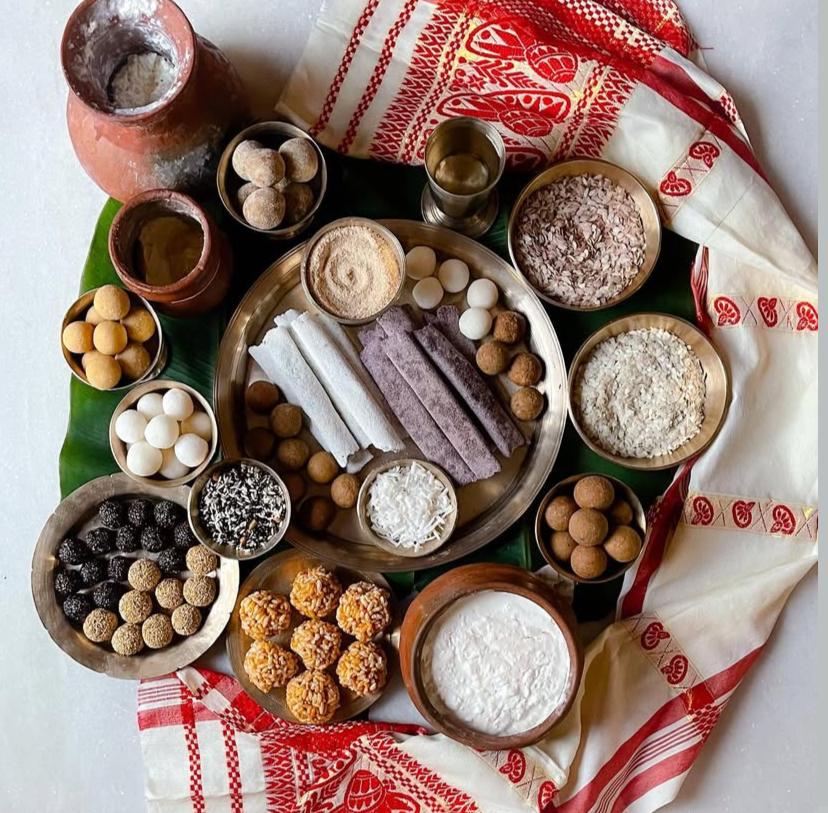
This delightful spread showcases the traditional homemade delicacies that Assamese families lovingly prepare to celebrate Magh Bihu, the harvest festival of Assam. Each item reflects the warmth and richness of Assamese culture from the freshly made pitha varieties such as til pitha (rice rolls stuffed with sesame and jaggery) and black rice pitha, to the assortment of larus (sweet balls) crafted from sesame seeds, coconut, puffed rice and jaggery. The spread also includes chira (flattened rice), gur (jaggery), doi (curd) and creamy milk, all staples of the traditional Bihu feast. Presented on a banana leaf and accompanied by the iconic gamosa, this beautiful arrangement captures the joy, hospitality and agrarian spirit of Magh Bihu, when Assamese households come together to cook, share and celebrate the bounty of the harvest season.
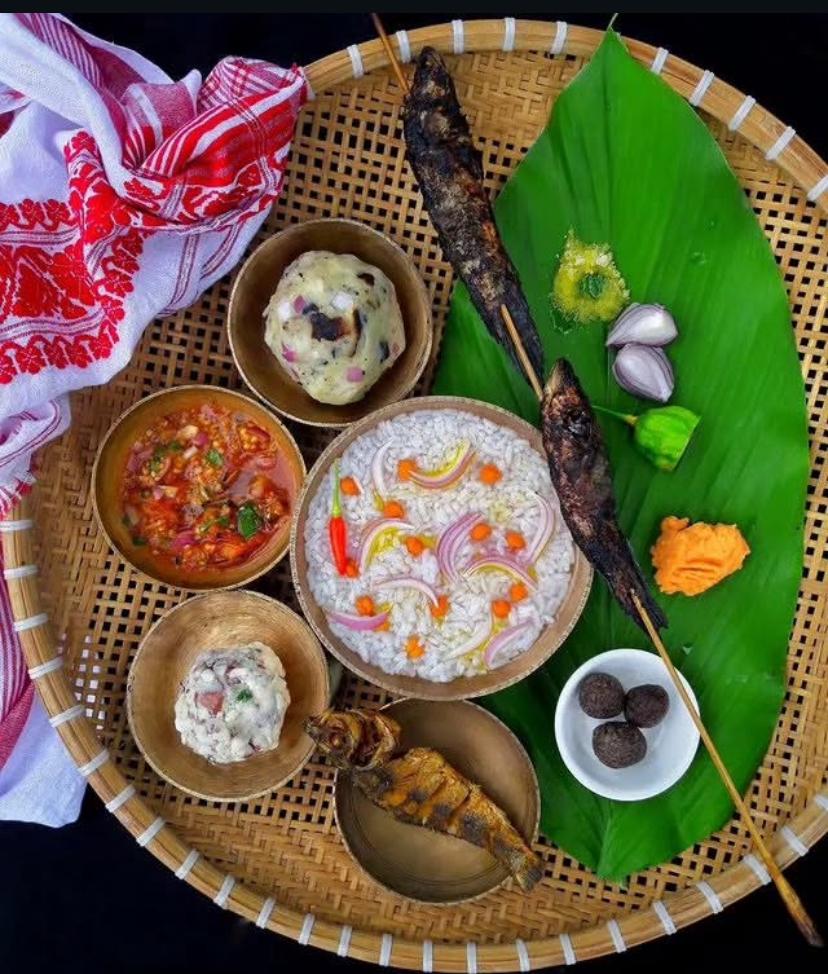
This traditional Assamese platter showcases the authentic homemade dishes. At the heart of the spread is a bowl of poita bhaat, fermented rice served with mustard oil, onions, chilies and a dash of salt, offering a cool and earthy flavor that’s both comforting and nourishing. Complementing it are goroi maas pura (grilled fish) and tomato pura (roasted tomato chutney), both adding a smoky, tangy taste that highlights Assam’s love for simple yet robust flavors. The meal also includes aloo pitika, a traditional mashed potato dish mixed with mustard oil, onions and green chilies, reflecting the essence of Assamese home cooking. Presented beautifully on a bamboo tray lined with a banana leaf and adorned with a gamosa, this spread captures the warmth.
Traditional Silk Weaves and jewellery
Where Assamese culture shines
Guwahati is home to several famous stores where visitors can buy authentic Assamese silk and traditional attire like Mekhela Chador. Shops such as Silkalay, Manju Silk Centre and Assam Silk Emporium offer a wide range of Muga silk (golden, glossy silk from Antheraea assamensis), Paat silk (white and smooth from Bombyx textor), Eri (warm, soft silk from Samia ricini) and Nuni Paat (light, fine silk known for its delicate texture) fabrics. Each store reflects the state’s rich weaving tradition and craftsmanship, making them the perfect places to experience and purchase Assam’s elegant handwoven silks. To complete the traditional look, jewellery shops like Prajapati, Zangfai and other local stores offer authentic Assamese Gohona such as Junbiri, Gamkharu, etc.
Aromatic Assam Tea
A perfect blend of taste and aroma
No trip to Assam is complete without taking home its famous tea. Visitors can experience the true essence of Assam’s tea culture at the GTAC Tea Lounge in Guwahati, run by the Guwahati Tea Auction Centre. The lounge offers an immersive experience where guests can savor premium brews of black, green, white and orthodox teas sourced directly from Assam’s lush gardens. The aroma, flavor and freshness of these teas reflect the state’s fertile valleys and rich heritage of tea craftsmanship. Another must-visit is the Amalgamated Plantations Private Limited (Tata Group) outlet, known for its high quality packaged teas that preserve Assam’s bold and malty character. Visitors can choose from a variety of signature blends, gift boxes perfect as souvenirs or to enjoy a taste of Assam back home.
Modern Shopping Hubs
Shop, dine and enjoy in style
Guwahati’s GS Road is the heartbeat of the city’s modern shopping and entertainment scene. Stretching from Ulubari to Khanapara, this bustling stretch is home to some of the most popular malls in Northeast India. City Centre Mall, located in Christian Basti, is a favorite among locals and visitors alike, featuring popular brands, a multi-cuisine food court, and a lively gaming zone. Central Mall offers a perfect mix of fashion outlets, lifestyle stores, and cafes, making it an ideal stop for family outings. Roodraksh Mall, with its elegant interiors and wide shopping range, is another popular destination for fashion lovers. Visitors can shop for clothing, electronics, cosmetics and accessories, or simply relax at cafes and restaurants offering both local and global cuisines.